What is performance nutrition?
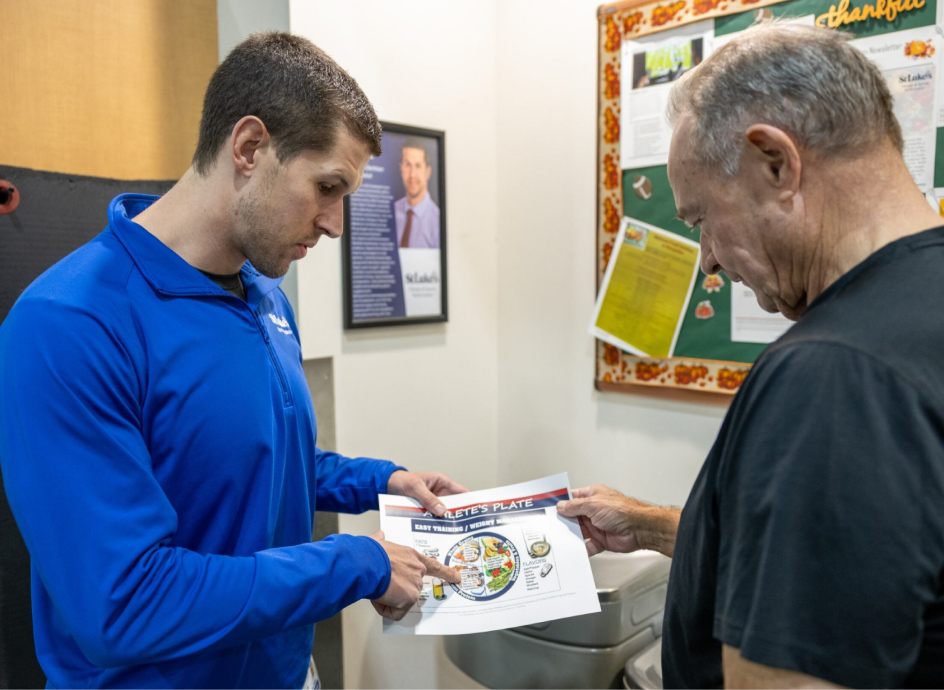
Performance Nutrition is for active individuals who are looking to use proper nutrition to improve athletic performance, physical fitness and/or overall health. You’ll work directly with a Registered Dietitian to ensure that you are getting accurate, individualized recommendations. Together you’ll discuss strategies to:
- Fuel your activity based on training volume and goals
- Increase hydration
- Improve body composition
- Maximize your workouts
- Address common activity related nutrition concerns
Nutrition services offered*
Individual consults are available for active individuals with specific questions regarding:
- Energy Needs
- Nutrients timing
- Supplements
- Body composition
- TeamWorks Nutrition
Nutrition presentation for groups:
- General nutrition for a healthy lifestyle
- Sports-specific nutrition strategies/Nutrient timing
- How to prepare for in-season and off-season training
- Identifying Low Energy Availability
- Dangers of energy drinks
- How to evaluate sports supplements
*All Nutrition Services at St Luke’s Fitness Centers are fee-for-service and do not go through insurance. Please contact member services for pricing information.

MEET THE TEAM
Elliot Beadle, RDN, LDN
As the St. Luke’s Sports and Performance Dietitian, Elliot provides nutrition advice and education to improve fitness performance and overall health. He has undergraduate degrees in Exercise Science and Nutrition and Dietetics, and practicing sports and weight management dietitian for nearly a decade. As a Registered Dietitian and ACSM Certified Exercise Physiologist, Elliot provides evidence-based information for how to eat properly to fuel activity. He is currently leading group and individual sessions for topics such as sport-specific nutrition recommendations, nutrient timing, improving body composition, calculating energy needs and evaluating sports supplements. Along with being active and staying healthy, Elliot enjoys sharing his knowledge and expertise with others.
St. Luke’s Sports and Performance Dietitian Nutritionist
ACSM Certified Exercise Physiologist
St. Luke’s Fitness Center – West End
501 Cetronia Road, Allentown, PA 18103
Personal Line: 484-658-9436
Sports Nutrition Line: 610-377-7121
elliot.beadle1@sluhn.org
Carbohydrates
Carbohydrates are the body’s primary source of fuel. The body breaks down carbohydrates into a type of sugar called glucose. When glucose enters the bloodstream, the body can use it right away as energy. The body stores extra glucose as glycogen in the liver and muscles to use later if needed. When glucose and glycogen levels are on empty, your body cannot keep going no matter how fast or how far you want to go.
The more active you are, the more carbohydrates you need. Sources of naturally occurring carbohydrates include:
- Whole-grain bread and pasta.
- Fruits and vegetables.
- Milk, yogurt and kefir.
- Nuts and seeds.
- Beans, peas and lentils.
Depending on the type and length of exercise, fuel can come from both carbohydrates and fats.

Fats
Fats provide the body with energy and are an essential part of a healthy diet. The body breaks down dietary fats into fatty acids that enter the bloodstream. Some vitamins, such as A, D, E and K, need fat to be properly digested.
Healthy fats include:
- Milk, cheese, yogurt and other dairy products.
- Salmon, tuna and other types of fatty fish.
- Avocados.
- Olive and canola oils.
- Chia seed and flaxseed.
- Almonds and other nuts.

Protein
Protein is in every cell in the human body. It keeps your body properly functioning and provides amino acids to build and repair muscle. Sources of protein include:
- Lean meats, such as poultry and lean fish, for example, cod or halibut.
- Dairy products such as milk, yogurt — regular, Greek, Icelandic, etc. — cheese and cottage cheese.
- Eggs.
- Soybeans.
- Beans, peas and lentils.

Before physical activity
Eat a pre-exercise meal that includes both carbohydrates and protein. General guidelines suggest that you:
- Eat a large meal at least 3 to 4 hours before exercising.
- Eat a small meal or snack about 1 to 3 hours before exercising
You also might consider eating a low-fiber, carbohydrate-containing snack 30 minutes before you’re physically active. Avoid high-fat and high-fiber foods before exercise. They take longer to digest and may cause gastrointestinal issues while you’re active.

During physical activity
For exercise that lasts longer than an hour, reload on carbohydrates to fuel your brain and body. The amount of carbohydrate you need depends on the intensity of your activity and how long you’re active.
Eating or drinking carbohydrates can help keep your energy at an even level during exercise. In general, the American College of Sports Medicine, the Academy of Nutrition and Dietetics, and the Dietitians of Canada have specific recommendations for exercise depending on how long it lasts, as follows:
- For exercise lasting 45 to 75 minutes: Sip or rinse your mouth with small amounts of a drink that contains carbohydrates during exercise.
- For exercise lasting 1 to 2.5 hours: Eat or drink 30 to 60 grams of carbohydrates an hour during exercise.
- For exercise lasting longer than 2.5 hours: Eat or drink up to 90 grams of carbohydrates an hour during exercise.
Carbohydrate foods and snacks to consider include:
- Peanut butter sandwich.
- Yogurt.
- Banana.
- Energy bar.
- Pretzels or crackers.
- Endurance gummies or gels.
- Fruit smoothie.
- Whole-grain bagel or crackers.
- Sports drink or diluted juice.
After physical activity
Research indicates that eating or drinking about 15 to 25 grams of high-quality protein within two hours after you finish exercising provides essential amino acids that can build and repair muscles. Protein also can increase the energy your body puts into storage to use in the future. Eating and drinking carbohydrates replaces your glycogen stores.
Good post-workout food choices include:
- Yogurt or cottage cheese and fruit.
- Peanut butter sandwich.
- Low-fat chocolate milk.
- Post-workout recovery smoothie.
- Turkey on whole-grain bread with vegetables
How to stay hydrated before, during & after exercise
It’s important to drink plenty of liquid before, during and after exercise. When you sweat, you lose water and electrolytes. Since water makes up about 50% to 70% of total body weight, drinking water is generally the best way to replace lost liquid. But if you’re exercising or training for more than 60 minutes, you’ll need to maintain your body’s electrolyte balance as well.
The Power of Proper Hydration
Electrolytes are minerals such as sodium, potassium, calcium and magnesium. They’re vital to many of the body’s processes, including fueling proper nerve and muscle function and keeping you hydrated. Without enough sodium and other minerals in your body, you cannot retain the water you’re drinking no matter how much you guzzle down.
Sports drinks and powdered mixes can help keep the body’s electrolyte balance during exercise. According to the U.S. Anti-Doping Agency, a beverage with 6% to 8% carbohydrate is typically effective in maintaining fluid balance while supplying the muscles with fuel. The liquid consumed during activity should contain a small amount of sodium and electrolytes as well.
Most sports drinks contain high amounts of sugar, which can lead to gastrointestinal upset. You can use watered down sports drinks or switch between water and sports drinks during longer training events. To limit your added sugar intake when you’re finished exercising, you can replace your sports drink with low-fat milk, low-fat chocolate milk, or a smoothie made with low-fat dairy products and fruit. Milk naturally contains electrolytes, carbohydrates and protein to refuel the body without the high level of added sugar or sweeteners.
Whether you are an elite athlete, play sports for fun or have a day full of yardwork in front of you, your body needs to be properly fueled. When it comes to eating and exercise, everyone is different. Pay attention to how you feel during your workout and to your overall performance. Let your experience guide you on which eating habits work best for you.

Resources
Download the following resources for more information on how to maximize your performance through improved nutrition.
- How a proper nutrition plan can help your fitness: Nutrition 101
- How to structure your meals based on your fitness goals: Building a Performance Plate
- What you need to know before, during, and after exercising to keep your body healthy: Fitness & Sports Nutrition
- When and what to eat post-workout: Post-Workout Snacks
- When to choose a sports drink: Hydration choices: Are sports drinks right for you?
- Why is a healthy breakfast essential for fitness performance: Start Strong: Smart Breakfast Ideas