Advanced hearing loss treatment at St. Luke’s.
Hearing loss is a common condition that can significantly impact an individual's quality of life, affecting communication, social interaction, and overall well-being. At St. Luke's University Health Network, we understand the profound effects of hearing impairment and are dedicated to providing comprehensive, compassionate care to help you regain your hearing and reconnect with the world around you. Our audiologists use state-of-the-art technology to diagnose hearing disorders and provide personalized, advanced treatment options to address various forms of hearing loss. We are proud to serve the Lehigh Valley by offering accessible hearing care close to home.
Understanding hearing loss
Hearing loss, or hearing impairment, is a partial or total inability to hear that may affect one or both ears and range from mild to profound. Beyond difficulty perceiving sounds, hearing loss can lead to communication challenges, social isolation, cognitive decline, and reduced quality of life, making accurate diagnosis and management essential.
Symptoms of hearing loss
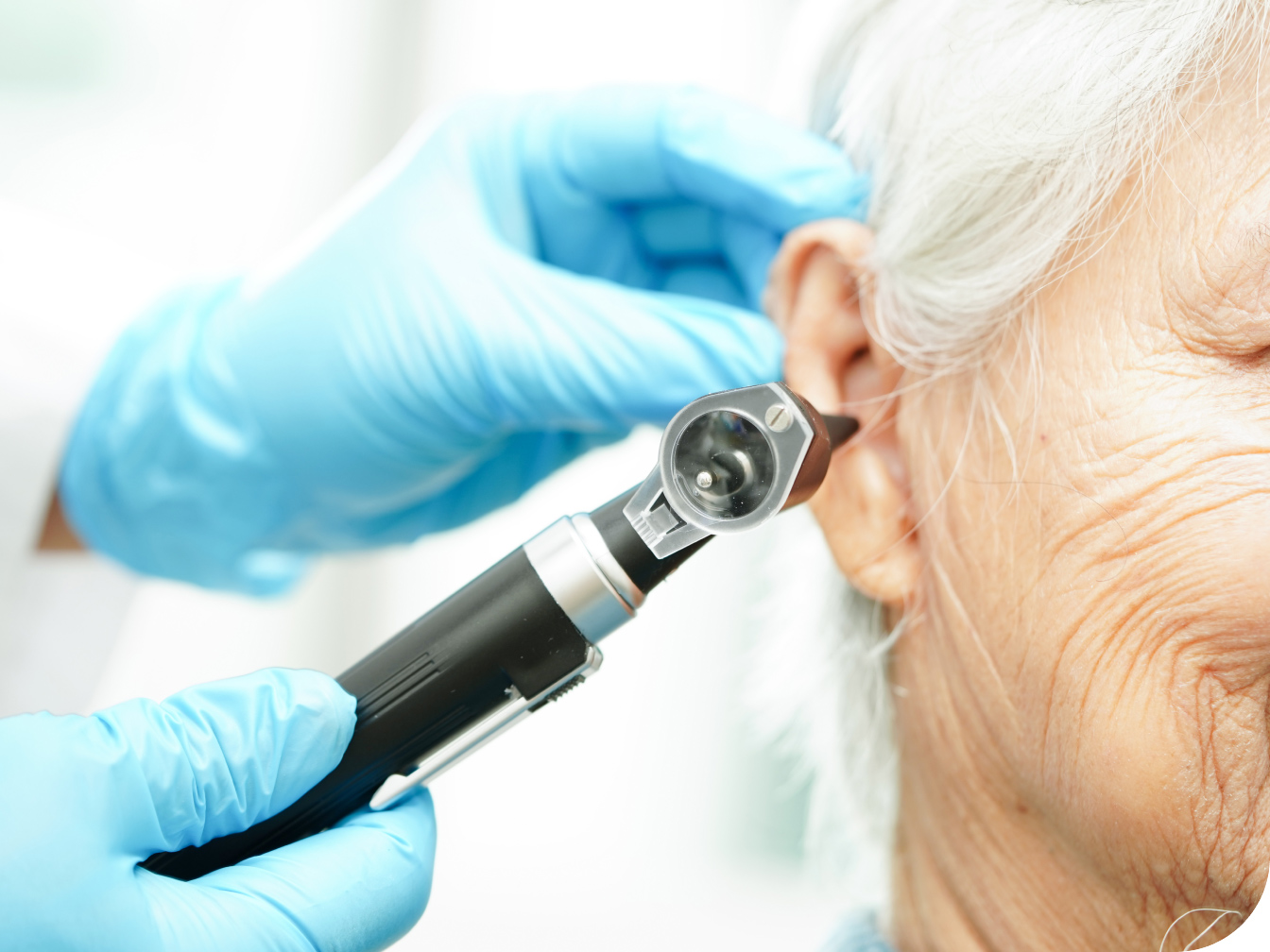
The symptoms of hearing loss can vary widely depending on the type, severity, and cause of the condition. Often, hearing loss develops gradually, making it difficult to notice in its early stages. Recognizing the signs early can lead to timely intervention and better outcomes. If you experience any of these symptoms, it is advisable to seek a professional evaluation from an ENT specialist or audiologist to determine the cause and appropriate course of action.
Common symptoms that may indicate hearing loss include:
- Muffled speech and other sounds
- Difficulty understanding words and everyday conversations
- Trouble hearing in noisy backgrounds
- Avoiding social situations due to hearing difficulties
- Ringing or buzzing in the ears (tinnitus)
- Feeling of ear fullness, pressure, pain or discharge
- Balance problems or dizziness
Causes of hearing loss
Hearing loss affects more than 15% of adults in the United States and can make daily life extremely difficult. Some causes are temporary and easy to fix, such as a buildup of earwax, fluid or infection in the middle ear, pressure problems, objects stuck in the ear canal, or a hole in the eardrum. Other causes tend to develop slowly, including aging, repeated exposure to loud noise, family history, certain medications, head trauma or injuries, an acoustic neuroma, or certain illnesses like mumps, Ménière's disease, and otosclerosis. Because hearing loss can have many possible sources, a thorough evaluation is important to decide the best next steps.
Treatment and hearing aids offered at St. Luke’s
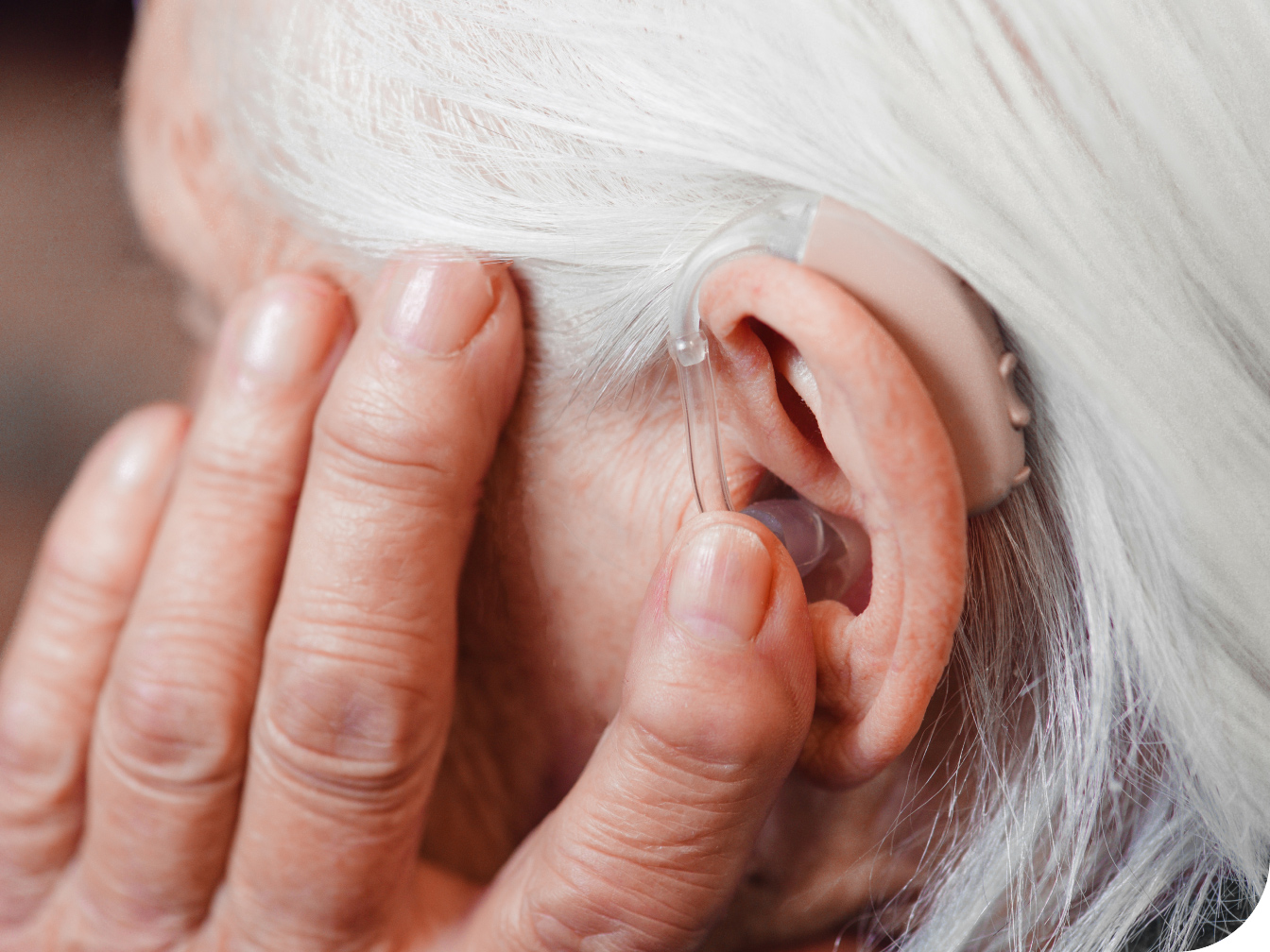
At St. Luke’s, we provide comprehensive hearing loss treatment and hearing care services tailored to each patient’s unique needs. Our team of audiologists and ENT specialists offer personalized treatment plans, hearing aid fittings, and ongoing hearing rehabilitation to assist patients. For some types of hearing loss, medical or surgical intervention may be the most effective treatment option. Our experienced ENT surgeons perform specialized procedures, including cochlear implantation and myringotomy, to address underlying causes of hearing impairment. We also provide auditory rehabilitation, counseling, assistive listening devices (ALDs), and communication strategies to help patients successfully manage hearing loss and remain connected to the people and activities they enjoy.
Our hearing care services include:
- Hearing Aids: Customized to your hearing needs, lifestyle, and budget
- Comprehensive Hearing Tests and Evaluations: To diagnose the type and severity of hearing loss
- Physical Ear Examinations: To identify conditions that may affect hearing
- Pure-Tone Audiometry, Speech Audiometry, and Tympanometry: For detailed hearing assessment
- Custom Hearing Protection: For work, recreation, and noise exposure prevention
- Custom Ear Molds: Designed for comfort, protection, and specialized hearing devices
- Electronic Hearing Protection: Advanced features that reduce harmful noise while enhancing speech and environmental awareness
Using the latest hearing technology and evidence-based care, our multidisciplinary team is committed to helping patients protect their hearing, improve hearing performance, and achieve the best possible long-term hearing outcomes.

Frequently asked questions about hearing loss
The reversibility of hearing loss depends on its type and cause. Conductive hearing loss, often caused by earwax, infections, or eardrum perforations, can frequently be treated and reversed with medical or surgical interventions. However, sensorineural hearing loss, which results from damage to the inner ear or auditory nerve, is usually permanent. While it cannot be cured, its effects can be significantly managed and improved with hearing aids, cochlear implants, and other assistive devices.
An audiologist is a healthcare professional specializing in diagnosis, treatment, and management of hearing and balance disorders. They conduct hearing tests, fit hearing aids, and provide auditory rehabilitation. An ENT (Ear, Nose, and Throat) specialist, also known as an otolaryngologist, is a medical doctor who specializes in conditions affecting the ears, nose, and throat. They diagnose and treat medical and surgical conditions of the ear, including those that cause hearing loss, such as infections, tumors, or structural abnormalities. Often, audiologists and ENTs work together to provide comprehensive care.
Insurance coverage for hearing aids varies widely depending on your specific insurance plan and state regulations. Some private insurance plans may offer partial or full coverage, while others may not cover hearing aids at all. Medicare generally does not cover hearing aids, but some Medicare Advantage plans might. It is always best to check directly with your insurance provider to understand your benefits.
Protecting your hearing involves several key practices: avoiding prolonged exposure to loud noises, using hearing protection (earplugs or earmuffs) in noisy environments, turning down the volume when listening to music or watching TV, and getting regular hearing check-ups, especially if you are frequently exposed to noise or are over the age of 50. Early detection and prevention are crucial for maintaining good hearing health.
Cochlear implants are electronic devices that can provide children and adults with moderate to profound hearing loss the ability to perceive sound and understand speech. Children and adults may receive cochlear implants when they have severe to profound sensorineural hearing loss who do not benefit sufficiently from hearing aids as well. Unlike hearing aids, which amplify sound, cochlear implants bypass the damaged parts of the inner ear and directly stimulate the auditory nerve. You may be eligible for cochlear implants if you meet the following criteria:
- Your hearing loss is severe enough to affect spoken communication
- You get little to no benefit from hearing aids
- You don’t have a medical condition that might affect cochlear implants
Our audiologists will evaluate and determine if cochlear implants are an option for you. The device is approved for children as young as 12 months of age and can be extremely beneficial when they’re implanted while young children are learning speech and language skills. It’s also important to be motivated to stick with your rehabilitation sessions as you learn how to recognize the sounds transmitted through the cochlear implant.
