Expert earwax removal for clearer, healthier hearing.
Earwax protects your ears from infection and dust, but if it starts to build up, it can lead to an earache and block your hearing. When your earwax becomes impacted, our ENT specialists have several effective methods to safely remove the wax without the risk of harming your eardrum.
What is earwax?
Earwax, or cerumen, is produced by glands in your ear canal. The wax naturally lubricates and cleans your ear, and it has antibacterial properties that prevent infections. It also helps keep out water and traps dust and other particles.
As you chew and talk, the movement of your jaw slowly moves the earwax from the eardrum to the ear’s opening. After earwax reaches the opening, it normally dries up and falls out, carrying away all the particles it trapped.

Signs and symptoms of earwax blockage
Earwax blockage can occur when excess earwax builds up and becomes too hard to clear naturally, leading to a range of noticeable symptoms that can affect hearing and overall ear comfort. Earwax frequently becomes impacted when it gets pushed deep into the ear with cotton swabs or other items. While earwax normally serves a protective role, excessive accumulation may cause discomfort or interfere with normal ear function.
Common signs of earwax blockage include:
- Earache or discomfort
- Itchy ear
- Discharge from your ear
- Muffled hearing
- Ringing in your ear
- A feeling of fullness or pressure in your ear
- Dizziness
- Partial or sudden hearing loss
- Itching or irritation in the ear canal
- Occasional odor or discharge from the ear
How is the earwax removed?
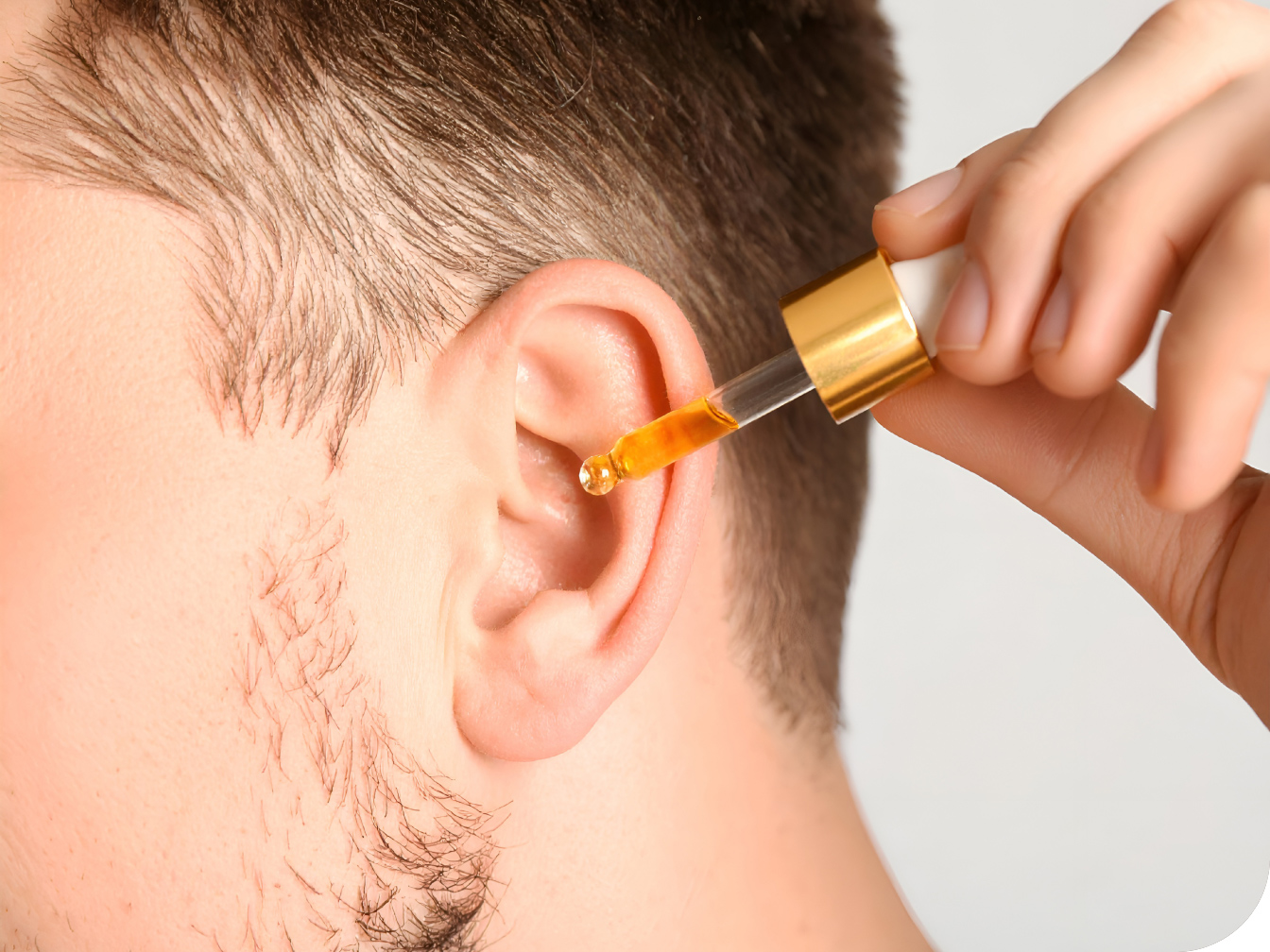
Trying self-care measures for an earwax buildup, like drops of mineral oil and cleaning the outside of your ear with a washcloth can help relieve buildup. If you need something stronger, your St. Luke’s ENT specialist may prescribe earwax drops to soften and break up the earwax. In some cases, your doctor may remove earwax using a small curved instrument or suction to gently pull the wax out of the ear. If you have recurring episodes of earwax accumulation, you may need to use ear drops weekly to help prevent the problem.