
Trauma & Critical Care
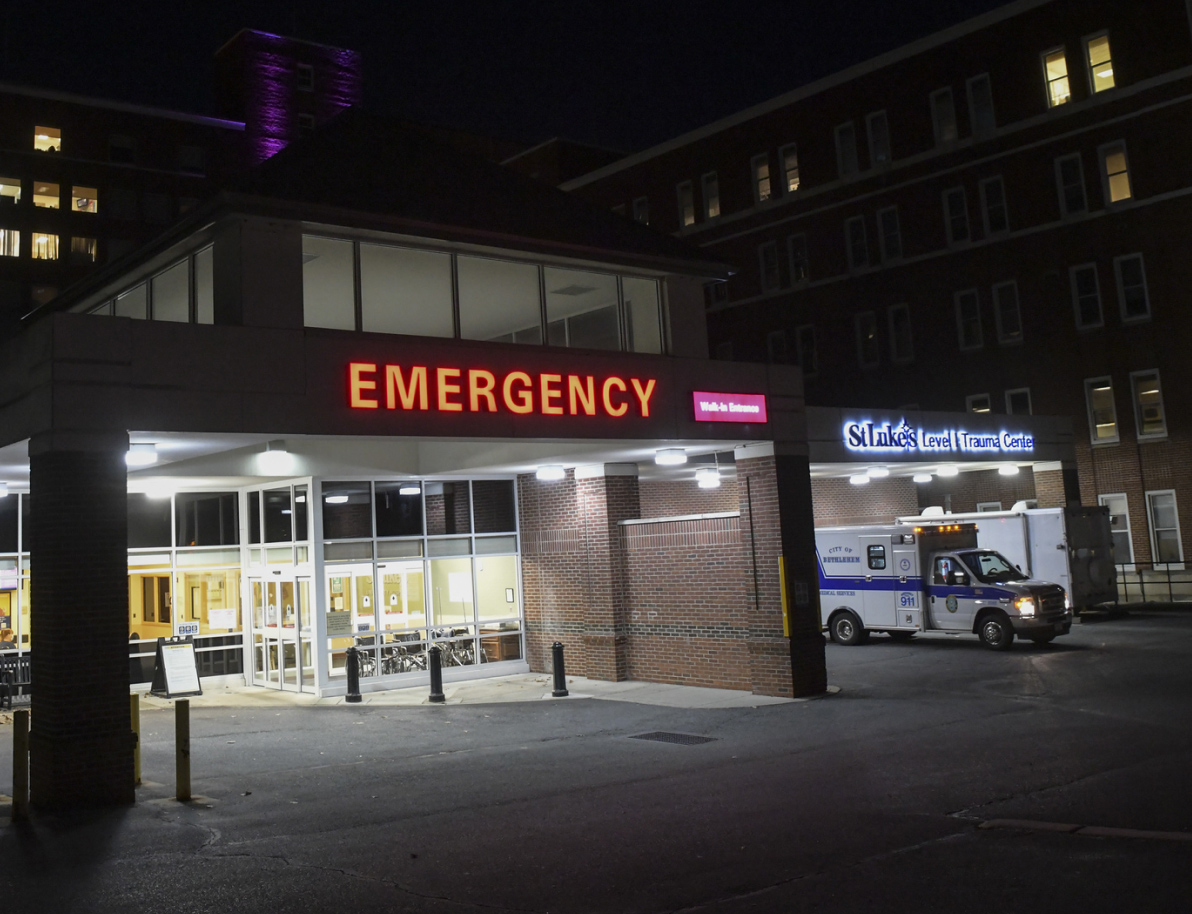

Expert trauma care when you need it most
St. Luke’s network of trauma centers is now the largest in Pennsylvania
St. Luke’s cares for thousands of patients every year at nine trauma centers throughout the region that are fully accredited by the Pennsylvania Trauma Systems Foundation and supported by a team of fellowship-trained trauma surgeons, orthopedic trauma surgeons, trauma neurosurgeons, emergency medicine traumatologists, surgical critical care fellows and advanced practitioner fellows.
Taking life-saving care to a new level
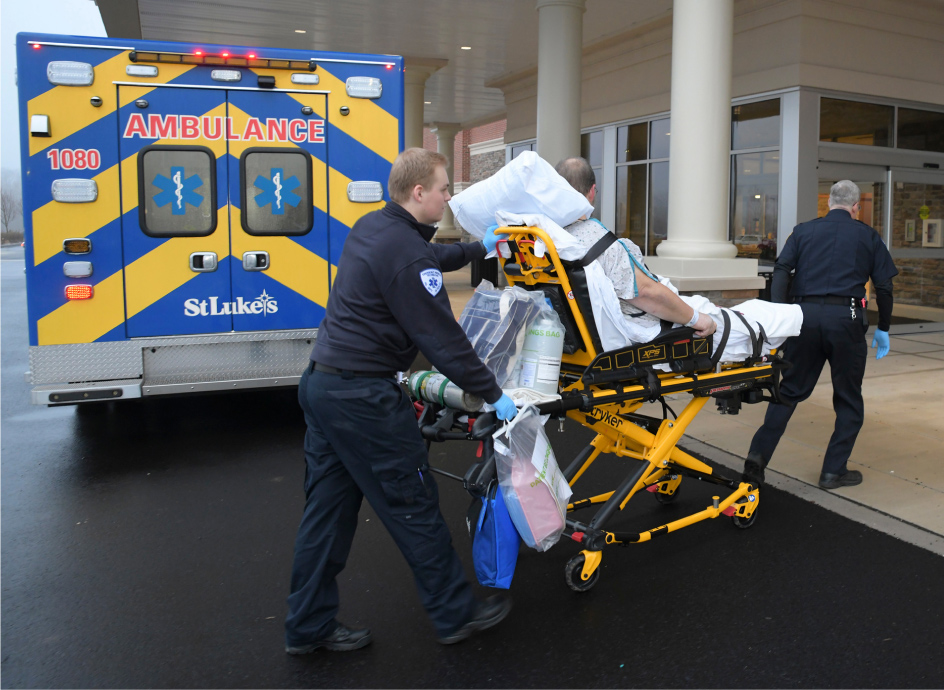
Our network of accredited trauma centers is able to respond at a moment’s notice to treat patients with life-threatening injuries, 24-hours-a-day, seven-days-a-week. St. Luke’s trauma centers are supported by an aeromedical helicopter and numerous emergency medical services (EMS) providers throughout the region.
What to expect
Caring for you or your loved one is our top priority. Traumas are unexpected and challenging. Our team will take the time to explain each step in the treatment process and answer any questions in a complete and easy to understand way.
Admission
Upon arrival, the patient is immediately evaluated by the trauma team which consists of fellowship-trained trauma surgeons and nurses with advanced education and training in the treatment of traumatic injuries. The trauma team assesses the patient for both known and suspected life- and limb-threatening injuries. If no serious injuries are found, the patient may be discharged to home. However, most patients will be admitted to the hospital or transferred to the operating room following a comprehensive evaluation.
Post-discharge care
Following the patient’s hospital stay, he/she can be discharged to:
- Home
- An inpatient rehabilitation facility, where he/she can receive long-term care for severe conditions such as coma or a spinal cord injury
Most trauma patients require outpatient follow-up visits with their primary care physician as well as one or more specialists.
Below are links to the most common specialty offices:
Questions about your follow-up care?
If you have any questions regarding your follow-up care, please call our outpatient office at 484-526-2200.
General Surgery
The general surgeons at St. Luke’s University Health Network offer a wide range of routine and complex surgeries. Most common conditions treated by a general surgeon:
- Appendicitis
- Gallbladder Disease
- Hernias
- Thyroid Conditions
- Lipoma & Cyst Removal
- Breast Disorders
Acute Care
Certain medical conditions are more urgent and require quick treatment. Each Network campus has a highly trained Emergency Department and team of surgeons ready to evaluate and treat urgent patients 24 hours a day, 7 days a week.
Elective / Same Day Surgery
Most non-urgent general surgery is done as an outpatient. This means the patient reports to the hospital, has the surgery and goes home all in the same day. If you have any additional questions, please contact your surgeon.
Diagnostic Testing
Diagnostic testing is sometimes used to evaluate a patient’s symptoms. The most common testing includes ultrasound, CAT scan and MRI. Learn more about St. Luke’s Radiology Services.
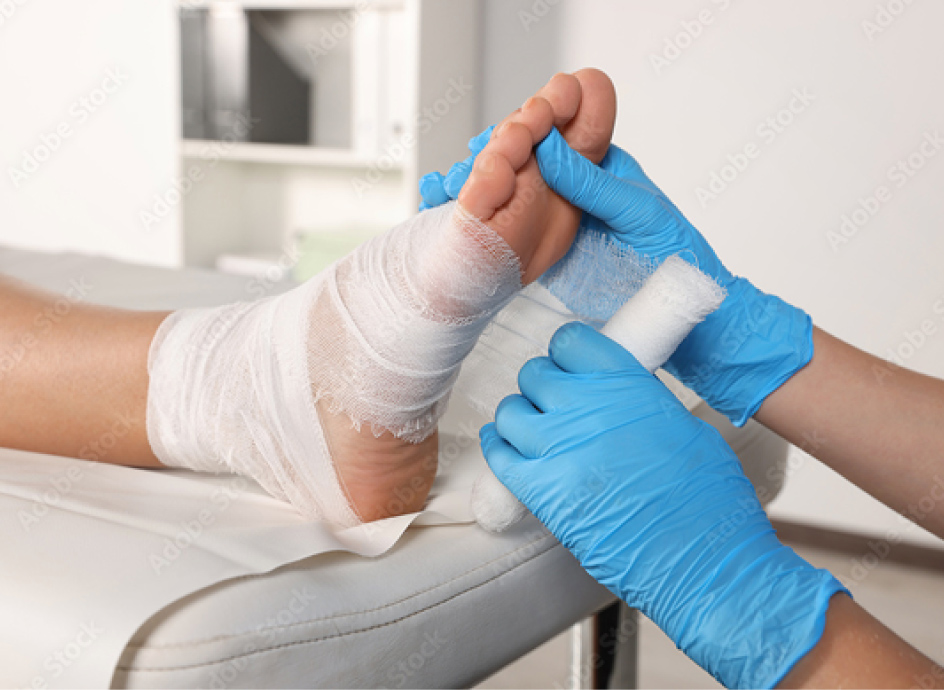
Wound Management at St. Luke’s
The goal of St. Luke’s Wound Management Centers is to help your wounds heal as quickly and safely as possible and as a result, improve your quality of life. We bring together teams of providers and nurses with extensive knowledge in all areas of wound management to provide you an individualized plan of care.