Neuro-oncology care designed around you.
At St. Luke’s, neuro-oncology care requires a thoughtful, highly coordinated approach—one that supports not only treatment, but how you think, move, and live day to day. Our Neuro-Oncology Center of Excellence brings together a specialized team focused on cancers of the brain, spine, and central nervous system. From diagnosis through treatment and recovery, your care is personalized, carefully coordinated, and designed to support both your medical needs and your quality of life. We understand that these diagnoses can feel overwhelming. Our role is to bring clarity, coordination, and support—so you and your family never have to navigate this alone.
Understanding brain and spinal tumors
Brain and spine tumors are abnormal growths that develop within the brain, spinal cord, or surrounding structures. These tumors may be benign or malignant, and can either originate in the brain or spine or spread from cancer elsewhere in the body. Because every tumor is different, diagnosis and treatment require a highly individualized approach.
At St. Luke's, our neuro-oncology specialists use advanced imaging and diagnostic technologies to understand the unique characteristics of each tumor, including its location, type, and biology. From diagnosis through treatment, rehabilitation, and ongoing support, our team is committed to providing personalized and compassionate care every step of the way.
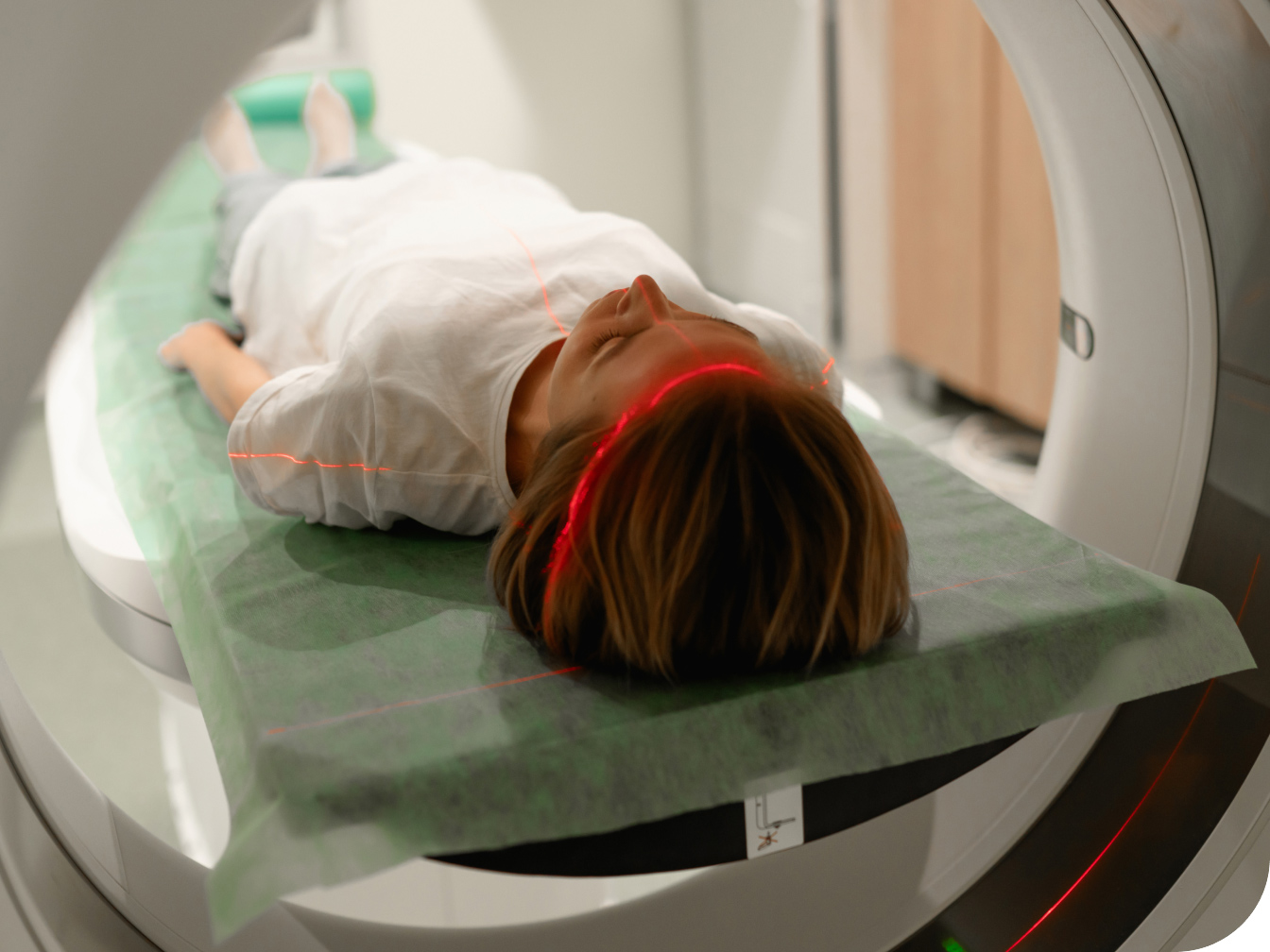
Brain & spinal tumor symptoms and diagnosis at St. Luke’s
Recognizing the signs of a brain or spine tumor is crucial for early detection. Symptoms can vary depending on the tumor's location, size, type, and growth rate, and may affect both physical and cognitive function. Potential signs and symptoms may include:
- Headaches or pressure in the head, including new headaches or changes in headache patterns
- Unexplained nausea or vomiting
- Changes in vision, such as blurred vision, double vision, or loss of peripheral vision
- Speech difficulties
- Difficulty with balance, coordination, or walking, sometimes leading to falls
- Weakness, numbness, or gradual loss of sensation or movement, especially in the arms or legs
- Seizures, particularly in individuals without a history of seizures
- Memory, cognitive, or behavioral changes, including confusion and personality changes
- Hearing problems
- Back pain, often radiating to other parts of the body and frequently worsening at night or with activity
- Decreased sensitivity to pain, heat, or cold
- Loss of bowel or bladder function, which requires urgent medical attention
- Spinal deformities, such as scoliosis, in some cases
At St. Luke's, our diagnostic approach is comprehensive, coordinated, and focused on providing clear answers as efficiently as possible. Evaluation may include:
- Neurological Examination: Assessing reflexes, muscle strength, sensation, coordination, vision, hearing, and balance
- Advanced Imaging: Magnetic Resonance Imaging (MRI) is the primary tool for evaluating brain and spine tumors. CT scans, PET scans, and X-rays may also be used when appropriate
- Biopsy or Surgical Evaluation: Obtaining a tissue sample through a minimally invasive procedure or surgery to determine whether a tumor is benign or malignant
- Pathology and Molecular Testing: Analyzing tumor tissue to confirm diagnosis, identify tumor type, and guide personalized treatment recommendations
Our goal is to provide answers clearly, compassionately, and efficiently—so you can move forward with confidence.
Types & staging of brain and nervous system tumors
There are many types of primary brain tumors, named after the type of cell they originate from or their location. Brain and spine tumors can be benign (noncancerous) or malignant (cancerous). Some begin in the brain or spine, while others spread from cancer elsewhere in the body.
Brain Tumors:
- Gliomas: Including glioblastoma, astrocytoma, oligodendroglioma, and ependymoma
- Meningiomas: Arise from the brain and spinal cord coverings and are often benign
- Pituitary Tumors: Usually benign growths of the pituitary gland
- Schwannomas: Tumors that develop from nerve tissue
- Metastatic Brain Tumors: Tumors that spread to the brain from other cancers
Spine Tumors:
- Primary Spine Tumors: Originate in the spine. Examples include meningiomas, schwannomas (nerve sheath tumors), ependymomas, astrocytomas (all can be benign or malignant), and chordomas (malignant).
- Metastatic Spine Tumors: Cancer that has spread to the spine from another part of the body (e.g., lung, breast, prostate cancer). These are the most common type of cancerous spine tumors.
Tumor grading and staging: Tumors are often graded based on how abnormal the cells appear and how quickly they are likely to grow. Lower-grade tumors tend to grow more slowly, while higher-grade tumors are more aggressive. For malignant tumors, staging may be used to determine whether the cancer has spread. Our specialists will explain your specific tumor type, grade, and stage (if applicable) and help you understand the best treatment options for your individual needs.

Our philosophy of care
From your first visit, your care is thoughtfully coordinated across specialties to ensure a seamless and supportive experience. Because the brain and nervous system control so many essential functions, care decisions are often more complex and require close collaboration across your team. Your care may involve neuro-oncology, neurosurgery, radiation oncology, rehabilitation, and supportive care—all working together to guide your treatment. Behind the scenes, your team is continuously aligning so that your experience feels connected, intentional, and centered around your needs.
Expert, collaborative care for brain & spinal tumors
Multidisciplinary Case Conference Review
Your case may be reviewed through a multidisciplinary conference (also known as a tumor board), where specialists come together to evaluate imaging, pathology, and treatment options. This collaborative approach supports:
- A clear, unified treatment plan
- More timely and coordinated decision-making
- Alignment across your entire care team
This ensures you benefit from the input of multiple specialists working together to guide your care.
Meet Your Care Team
Your care may involve a range of specialists, depending on your needs, including:
- Neurosurgeons: Lead surgical procedures and treatment planning
- Medical Oncologists: Manage systemic and targeted therapies
- Radiation Oncologists: Deliver precise radiation therapy while protecting healthy brain tissue
- Physical Medicine & Rehabilitation (PM&R): Support recovery, mobility, and neurologic function
Together, this team ensures your care is coordinated, personalized, and built around your needs.
Advanced brain & nervous system tumor treatments
Because treatment can directly impact function and quality of life, every decision is made thoughtfully and collaboratively. St. Luke's offers a comprehensive range of advanced treatments for brain and spinal tumors, tailored to the tumor type (benign vs. malignant), grade, location, your symptoms, and overall health. Our multidisciplinary neuro-oncology team collaborates to create a personalized treatment plan.
Treatment options may include:
- Neurosurgery: Our expert neurosurgeons utilize advanced techniques like awake brain surgery and intraoperative MRI to maximize tumor removal while preserving function.
- Radiation Therapy: The Varian EDGE® system with BrainLab's ExacTrac Dynamic® platform allows your care team to monitor your position in real time and deliver highly precise treatment with incredible accuracy. By targeting tumors more precisely, we can better protect healthy tissue and provide patients with leading-edge, non-invasive radiation treatment close to home.
- Chemotherapy & Targeted Therapies: Chemotherapy uses drugs given orally or intravenously to destroy tumor cells and may be used alongside radiation therapy or after surgery, while targeted therapies are designed to attack specific abnormalities within tumor cells to help slow or stop their growth.
- Supportive and Symptom-Based Treatments: Help manages symptoms, reduce treatment side effects, and improve comfort throughout a patient’s care journey
Your team works together to balance effective treatment with preservation of function, independence, and quality of life.
Cancer clinical trials
Clinical trials offer patients access to cutting-edge, innovative treatments and therapies that are not yet widely available and can help advance cancer research. Through St. Luke's Cancer Clinical Trials, patients will be monitored by our expert teams, as well as have the opportunity to contribute to future breakthroughs in cancer care. Eligibility can vary by trial and may depend on your diagnosis, treatment history, and overall health. If you're eligible, you'll receive detailed information about the trial, including potential risks and benefits. Participation is always voluntary and your care team will support you every step of the way.

Rehabilitation & Neurologic Recovery
Role: Supporting strength, mobility, cognition, and independence
Goal: Helping patients maintain or regain function and quality of life
Oncology Social Work
Role: Providing emotional support and helping navigate practical and financial challenges
Goal: Ensuring patients and families have the resources they need
Nurse Navigation
Role: Coordinating appointments, services, and communication across your care team
Goal: Helping reduce stress and provide clarity at every step
Palliative Care
Role: Managing symptoms such as pain, fatigue, or neurologic changes
Goal: Enhancing comfort, quality of life, and overall well-being
Frequently asked questions about brain and spinal tumors
Common symptoms include new or changing headaches, seizures, nausea/vomiting, vision problems, weakness or numbness in limbs, balance issues, and personality changes. These are often considered key brain tumor warning signs.
The most common symptom is back pain that is persistent and may worsen at night. Other symptoms include weakness, numbness, tingling in the arms or legs, difficulty walking, and sometimes loss of bowel or bladder control.
Diagnosis typically involves a neurological exam and imaging tests, primarily an MRI scan of the brain. A biopsy may be needed to confirm the type and grade.
An X-ray might show bone damage caused by a tumor, but it's not the best test for visualizing the tumor itself or its effect on the spinal cord and nerves. MRI is the preferred imaging test for diagnosing spine tumors.
They are often described as different from typical headaches, may be worse in the morning, can awaken someone from sleep, and may worsen with coughing or straining. However, many people with brain tumors do not experience severe headaches initially.

Beat Cancer With Us…
At St. Luke’s, our cancer patients benefit from all of that, plus an unparalleled level of support and compassion. You are not alone we are with you every step of the way. Whether you are newly diagnosed or seeking a second opinion, we are here to help.
You can easily find a specialist near you and learn more about our Cancer Center locations to begin your care journey.
Call St. Luke’s HopeLine – one number for all your needs: 484-503-HOPE.