Urinary cancer care, centered on you.
At St. Luke’s, genitourinary cancer care is built around you—your diagnosis, your priorities, and your comfort every step of the way. Our Genitourinary (GU) Center of Excellence brings together specialists focused on cancers of the prostate, bladder, kidney, and urinary system. From diagnosis through treatment and beyond, your care is coordinated, personalized, and designed to help you move forward with confidence.
Understanding genitourinary (GU) cancer
Genitourinary (GU) cancers include cancers that affect the urinary tract and male reproductive system, including prostate cancer, bladder cancer, kidney cancer, testicular cancer and other urinary tract cancers. These cancers vary significantly in how they develop, behave, and are treated. Some cancers, such as certain prostate and kidney tumors, may be closely monitored before treatment is needed, while others require prompt intervention.
At St. Luke's, our Genitourinary (GU) Center of Excellence focuses on understanding the unique characteristics of each patient's cancer to develop a personalized care plan that reflects both medical needs and personal priorities.
Genitourinary (GU) cancer symptoms and diagnosis at St. Luke’s
Symptoms vary based on the type and location of the cancer. Some GU cancers are discovered through routine screening, while others present with symptoms. Common symptoms may include:
- Blood in the urine (hematuria)
- Changes in urination, including frequency, urgency, or weak stream
- Pain or burning during urination
- Pelvic, flank, back, or abdominal pain
- Erectile dysfunction or changes in sexual function
- A lump or swelling in the testicle
- Unexplained weight loss or fatigue
- Blood in the semen
- Difficulty emptying the bladder
- A feeling of heaviness in the scrotum
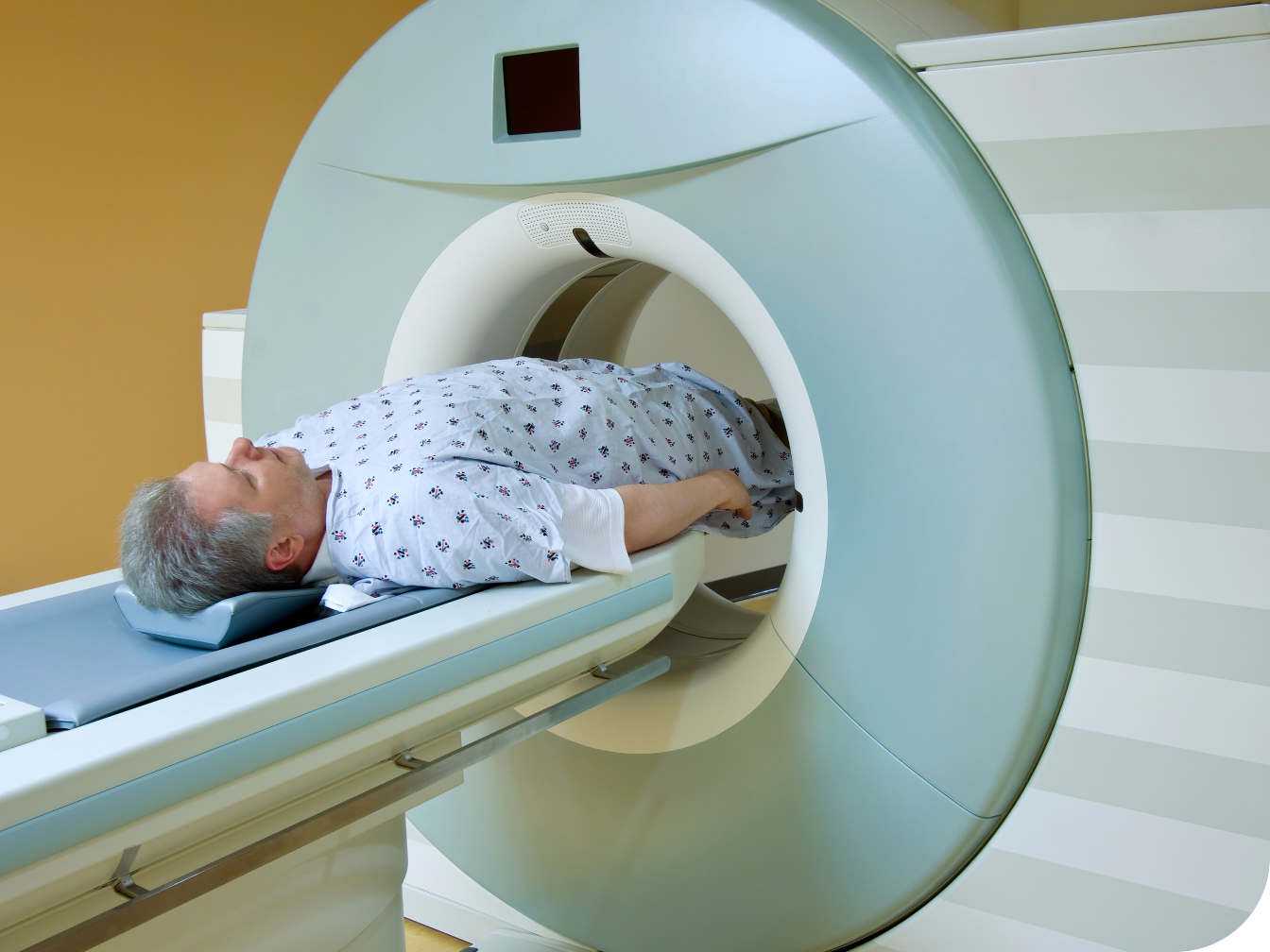
Our specialists use advanced technologies to accurately diagnose and stage GU cancers, including:
- Laboratory testing (including PSA for prostate cancer)
- Imaging studies
- Biopsy and pathology review
Our goal is to provide answers as quickly and clearly as possible while ensuring patients feel informed and supported throughout the diagnostic process.
Types of genitourinary (GU) cancer and staging
Prostate Cancer:
The vast majority of prostate cancers are adenocarcinomas arising from gland cells within the prostate.
Bladder Cancer:
Bladder cancer can start in different kinds of cells inside the bladder, with the most common type beginning in the bladder's lining.
Kidney Cancer:
- Renal cell carcinoma (RCC)
- Clear cell RCC
- Papillary RCC
- Chromophobe RCC
- Transitional cell carcinoma
- Wilms tumor
- Kidney sarcoma
Testicular Cancer:
- Seminoma
- Non-seminoma
- Mixed germ cell tumors
Genitourinary cancer staging: Staging helps determine how far cancer has spread and guides treatment planning. Depending on the cancer type, staging may evaluate:
- Tumor size and extent
- Lymph node involvement
- Spread to other organs
- PSA levels and Gleason score (prostate cancer)
- Tumor markers (testicular cancer)

Our philosophy of care
From your very first appointment, your care is coordinated across specialties so that your experience feels supported—not fragmented or overwhelming. Your care team may include GI specialists, colorectal and surgical oncology specialists, medical oncologists, radiation oncologists, nurse navigators, nutrition experts, and other supportive care professionals. Together, they work to create a care plan tailored to your diagnosis, your needs, and your goals. This means less guesswork, clearer communication, and a team that is aligned around you.
Expert, collaborative care for genitourinary (GU) cancer
Multidisciplinary Case Conference Review
Our team meets weekly for a Multidisciplinary Case Conference Review—commonly known as a tumor board—to collaboratively review imaging, pathology, and patient goals. Together, we develop a unified treatment roadmap that promotes faster decision-making, stronger care coordination, and improved patient outcomes.
Meet Your Care Team
Your care is guided by a focused team of specialists with expertise in genitourinary cancers.
- Urologist: Leads surgical care and manages conditions affecting the urinary and reproductive systems
- Medical Oncologist: Oversees systemic treatments, including hormone therapy, chemotherapy, immunotherapy, and targeted therapies
- Radiation Oncologist: Provides precise radiation therapy tailored to your diagnosis
- Radiology & Pathology Specialists: Support accurate diagnosis and treatment planning through advanced imaging and detailed tissue analysis
Together, this team works to ensure your care is coordinated, personalized, and aligned with what matters most to you.
Advanced genitourinary (GU) cancer treatments
Our experts offer a full range of advanced treatment options tailored to each patient's diagnosis, stage, overall health, and goals. Treatment for GU cancers is highly individualized. Your care team will work with you to determine the right approach based on your diagnosis, overall health, and preferences.
Treatment options may include:
- Active Surveillance: Monitoring certain cancers closely when immediate treatment is not necessary
- Surgery: Including minimally invasive and robotic-assisted approaches
- Radiation Therapy: Precisely targeted treatments
- Systemic Therapies: Such as hormone therapy, chemotherapy, immunotherapy, and targeted therapies
Every recommendation is made collaboratively—with your goals and quality of life at the center.
Cancer clinical trials
Clinical trials offer patients access to cutting-edge, innovative treatments and therapies that are not yet widely available and can help advance cancer research. Through St. Luke's Cancer Clinical Trials, patients will be monitored by our expert teams, as well as have the opportunity to contribute to future breakthroughs in cancer care. Eligibility can vary by trial and may depend on your diagnosis, treatment history, and overall health. If you're eligible, you'll receive detailed information about the trial, including potential risks and benefits. Participation is always voluntary and your care team will support you every step of the way.

Oncology Navigation
Role: A consistent guide throughout your care
Goal: To ensure patients receive timely, coordinated, and patient-centered care while reducing confusion, delays, and stress
Oncology Social Work
Role: Emotional, financial, and practical support
Goal: Ensuring the patient has mental health support and resources (transport, lodging) to focus on healing
Financial Advocates
Role: Helps patients manage costs and access financial support
Goal: To minimize financial stress and ensure patients can access and complete their treatment
Nutrition Services
Role: Overall health during treatment
Goal: Preventing malnutrition that often leads to treatment delays
Rehabilitation & Supportive Care
Role: Addressing recovery, function, and quality of life
Goal: Helps patients heal physically and emotionally after treatment
Palliative Care
Role: Managing symptoms, reducing suffering, and offering supportive care alongside treatment
Goal: To improve quality of life for patients and families at any stage of cancer by managing symptoms, reducing suffering, and offering supportive care alongside treatment
Frequently asked questions about genitourinary (GU) cancer
The speed at which bladder cancer spreads depends on the type and grade. Low-grade tumors tend to grow slowly, while high-grade tumors can grow and spread more quickly. Regular monitoring is important.
While the exact cause is often unknown, major risk factors include smoking, obesity, high blood pressure, chronic kidney failure/dialysis, and certain inherited genetic conditions. Most kidney cancer is not considered hereditary, but some rare syndromes increase risk.
RCC is the most common type of kidney cancer in adults, originating in the lining of the kidney's tubules. Clear cell RCC is the most frequent subtype.
The PSA test measures Prostate Specific Antigen, a protein produced by the prostate gland, in the blood. Elevated levels can be an early indicator of prostate cancer but can also be caused by non-cancerous conditions like BPH or prostatitis. It's a key part of prostate cancer screening.
Perform a monthly testicular self-exam (TSE) by gently rolling each testicle between your thumbs and fingers, feeling for lumps, swelling, or changes.

Beat Cancer With Us…
At St. Luke’s, our cancer patients benefit from all of that, plus an unparalleled level of support and compassion. You are not alone we are with you every step of the way. Whether you are newly diagnosed or seeking a second opinion, we are here to help.
You can easily find a specialist near you and learn more about our Cancer Center locations to begin your care journey.
Call St. Luke’s HopeLine – one number for all your needs: 484-503-HOPE.