Breast cancer care designed around you.
At St. Luke’s, breast cancer care is built around you—not just your diagnosis. Our Breast Center of Excellence brings together a dedicated team of specialists who work as one to guide you through every step of your journey, from screening and diagnosis to treatment and survivorship. You’ll have a team that is aligned, communicative, and focused on what matters most to you.
Understanding breast cancer
Breast cancer is not a single disease—it consists of multiple subtypes that behave differently. Breast cancer occurs when cells in the breast begin to grow uncontrollably, forming a tumor. These cancerous cells can potentially invade surrounding tissues or spread (metastasize) to other parts of the body. It is the most common cancer diagnosed in women in the United States, aside from skin cancers. Breast cancer can also affect men, although much less frequently. Understanding breast cancer, including its types, risk factors, and the importance of early detection through screening, is crucial. At St. Luke’s, we focus on understanding the unique biology of your cancer so your treatment is as personalized as possible. Whether your cancer is hormone-positive, HER2-positive, or triple-negative, your care plan is designed specifically for you.
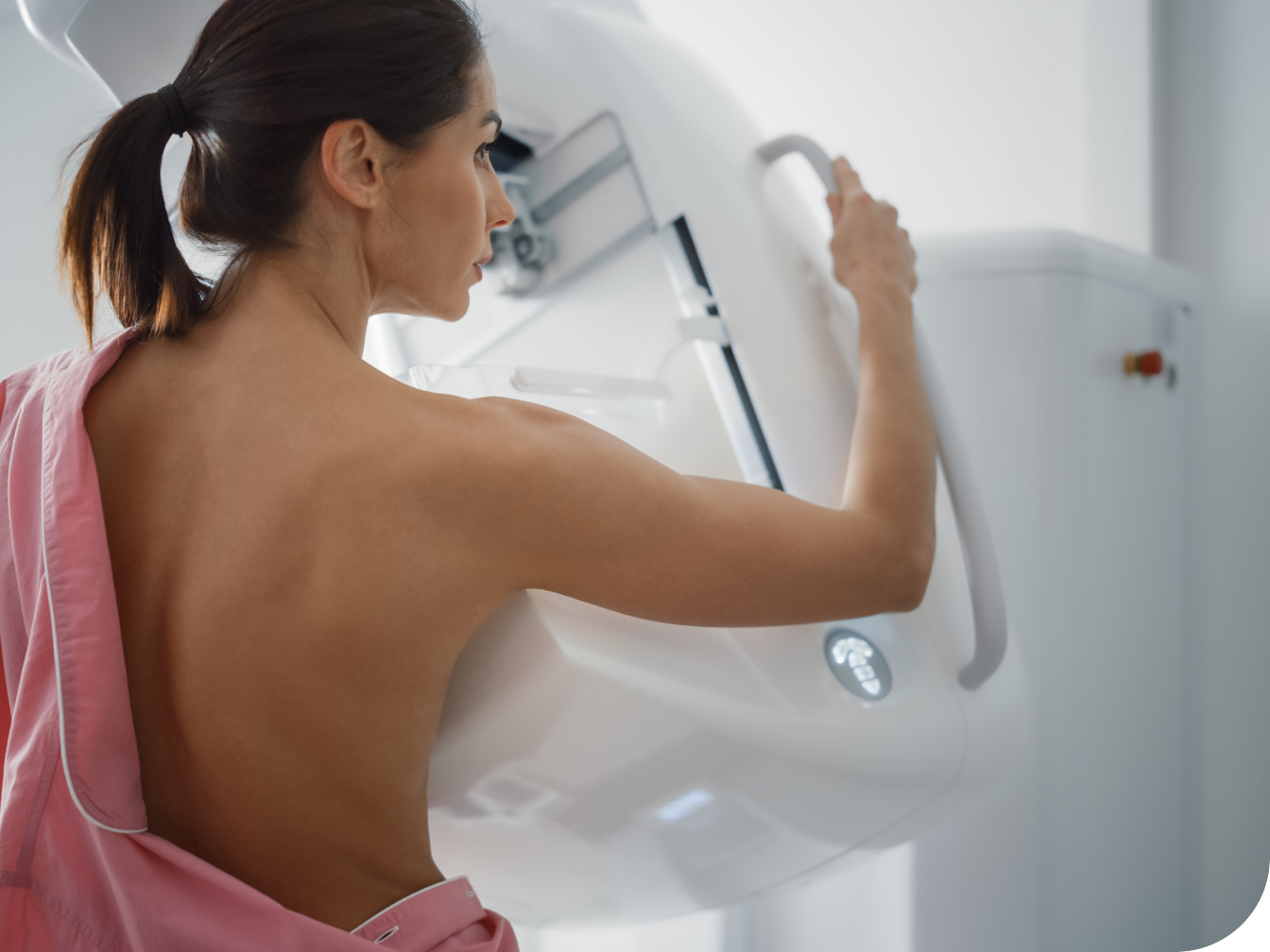
Breast cancer symptoms and diagnosis at St. Luke's
Early detection significantly improves breast cancer outcomes. While routine screening mammograms are vital, being aware of potential symptoms is also important. Common signs and symptoms of breast cancer may include:
- A new lump or mass in the breast or underarm (armpit)
- Swelling of all or part of a breast (even if no distinct lump is felt)
- Skin irritation or dimpling (sometimes resembling an orange peel)
- Breast or nipple pain
- Nipple retraction (turning inward)
- Redness, scaliness, or thickening of the nipple or breast skin
- Nipple discharge other than breast milk (including blood)
If you notice any changes in your breasts, it's essential to see a healthcare provider promptly. Diagnosing breast cancer at St. Luke's involves advanced technology and expertise:
- Advanced breast imaging (mammography, ultrasound, MRI)
- Image-guided biopsy
- Pathology testing to determine tumor characteristics
Our dedicated breast health centers across the St. Luke's network, including locations in Bethlehem and Allentown, offer convenient access to comprehensive breast cancer screening and diagnostic services.
Types of breast cancer and staging
Breast cancer is not a single disease. Your care team describes breast cancer in several ways, including where it begins and how it looks under the microscope, which biomarkers or receptors are present, and the stage of the cancer. Together, these features help guide treatment.
Breast cancer by type:
- Ductal carcinoma in situ (DCIS): Non-invasive breast cancer in which abnormal cells are confined to the milk ducts and have not spread into the surrounding breast tissue.
- Invasive ductal carcinoma (IDC): Most common type of invasive breast cancer. It begins in a milk duct and grows into the surrounding breast tissue.
- Invasive lobular carcinoma (ILC): Invasive breast cancer that begins in the milk-producing lobules of the breast.
- Inflammatory breast cancer (IBC): Rare, aggressive form of breast cancer that may cause rapid breast swelling, redness, warmth, or skin changes. It often requires a specialized treatment approach.
Breast cancer by biomarkers:
Breast cancer cells are routinely tested for estrogen receptors (ER), progesterone receptors (PR), and HER2. These results are important because they help determine which treatments are most likely to work.
- Hormone receptor–positive (HR-positive) breast cancer: The cancer is positive for estrogen receptors and/or progesterone receptors. These cancers may respond to endocrine, or hormone-blocking, therapy.
- HER2-positive breast cancer: The cancer has increased HER2 protein or amplification of the HER2 gene. HER2-targeted therapies can be highly effective for these cancers. Some HER2-positive cancers are also hormone receptor–positive.
- Triple-negative breast cancer (TNBC): The cancer is negative for estrogen receptors, progesterone receptors, and HER2. Treatment may include chemotherapy, immunotherapy, and other therapies depending on the individual cancer and its stage.
Breast cancer stage:
Stage describes how extensive the cancer is and is separate from breast cancer sub-type.
- Stage 0: Non-invasive breast cancer, most commonly DCIS.
- Stages I and II: Generally considered early-stage invasive breast cancer.
- Stage III: Breast cancer that is more extensive within the breast and/or regional lymph nodes but has not spread to distant organs. It is sometimes called locally advanced breast cancer.
- Stage IV, or metastatic breast cancer: Breast cancer that has spread beyond the breast and regional lymph nodes to another part of the body, such as the bones, liver, lungs, or brain.
Your treatment plan is based on the combination of your breast cancer type, biomarker results, stage, overall health, and individual preferences. Your breast cancer team will review these findings with you and develop a personalized treatment plan.

Expert, collaborative care for breast cancer
Multidisciplinary Breast Case Conference
Our team meets weekly for a Multidisciplinary Breast Case Conference - commonly known as a tumor board, where imaging, pathology, treatment plans, patient goals, and available clinical trials are reviewed collaboratively. Together, we develop a unified treatment roadmap that promotes faster decision-making, stronger care coordination, and improved patient outcomes.
Meet the Core Clinical Team
- Breast Surgeon: Leads surgical treatment and focuses on complete tumor excision while preserving function.
- Radiation Oncologist: Delivers precise radiation therapy to treat cancer while sparing healthy tissue.
- Medical Oncologist: Manages chemotherapy, immunotherapy, and targeted systemic treatments.
- Pathologist: Examines tumor tissue to determine cancer type, grade, receptor status, and other biomarkers critical for diagnosis and treatment planning.
- Radiologist: Interprets imaging studies to detect, characterize, and monitor breast lesions, and assess response to therapy.
- Plastic Surgeon: Performs breast reconstruction and oncoplastic procedures to restore form and optimize cosmetic outcomes after cancer surgery.
- Genetic Counselor: Assesses family history and inherited risk, provides education on genetic mutations (such as BRCA1/BRCA2), recommends and interprets genetic testing.
Advanced breast cancer treatments
St. Luke's University Health Network provides personalized, cutting-edge breast cancer treatment plans developed by a multidisciplinary team of specialists. Treatment must be individualized, one size does not fit all. Your care team designs your plan based on the type of cancer, stage, genetics and genomics, and your individual goals and preferences.
Treatment options may include:
- Surgery: Including breast-conserving procedures and a mastectomy
- Radiation Therapy: Precise targeting to reduce recurrence
- Systemic Therapies: Such as chemotherapy, hormone therapy, and immunotherapy
Breast Cancer Survivorship Program
A cancer diagnosis can affect many aspects of life during and after treatment. Our Cancer Survivorship Program supports patients throughout their cancer journey by providing education, resources, and services that promote ongoing health and well-being.
Survivorship care begins at diagnosis and continues after treatment is completed. Working with a multidisciplinary team, patients receive support to address physical, emotional, social, and functional concerns that may arise during survivorship. Our survivorship program aims to help patients:
- Manage persistent symptoms and treatment-related side effects
- Improve physical function and overall wellness
- Address emotional, behavioral, and psychosocial needs
- Access rehabilitation, nutrition, and supportive care services
- Maintain healthy lifestyle habits through physical activity and wellness programs
- Receive guidance on follow-up care and ongoing surveillance
- Connect with support services and community resources
Through individualized care and supportive services, we help cancer survivors navigate life after treatment and achieve the highest possible quality of life.
Cancer clinical trials
Clinical trials offer patients access to cutting-edge, innovative treatments and therapies that are not yet widely available and can help advance cancer research. Through St. Luke's Cancer Clinical Trials, patients will be monitored by our expert teams, as well as have the opportunity to contribute to future breakthroughs in cancer care. Eligibility can vary by trial and may depend on your diagnosis, treatment history, and overall health. If you're eligible, you'll receive detailed information about the trial, including potential risks and benefits. Participation is always voluntary and your care team will support you every step of the way.

Paxman Cold Cap
Role: Cooling causes blood vessels in the scalp to constrict, reducing blood flow to the hair follicles
Goal: Managing and reducing hair loss during chemotherapy
Oncology Navigation
Role: Coordinates care and supports patients through diagnosis and treatment
Goal: To ensure patients receive timely, coordinated, and patient-centered care while reducing confusion, delays, and stress
Registered Dietitian (Nutrition)
Role: Proactive weight management and hydration strategies
Goal: Preventing malnutrition that often leads to treatment delays
Oncology Social Work
Role: Navigating the emotional, financial, and logistical hurdles of cancer
Goal: Ensuring the patient has mental health support and connection to community resources to focus on healing
Financial Advocates
Role: Helps patients understand the cost of care, assists with insurance coverage and authorizations, identifies financial assistance programs, and works to reduce out-of-pocket expenses
Goal: To minimize financial stress and ensure patients can access and complete their treatment
Physical Therapy, Lymphedema Care, and Cognitive Physical Therapy
Role: Restoring movement, reducing treatment side effects, and helping patients return to daily activities
Goal: Manage post treatment complications like lymphedema, shoulder weakness
Reconstruction & Survivorship Support
Role: Supporting recovery, healing, and life after treatment
Goal: Helps patients heal physically and emotionally after treatment, improving body image, confidence, and overall quality of life as they move forward after breast cancer
Palliative & Supportive Care
Role: Provides relief from symptoms, pain, and side effects while supporting patients emotionally and physically during serious illness
Goal: To improve quality of life for patients and families at any stage of cancer by managing symptoms, reducing suffering, and offering supportive care alongside treatment
Frequently asked questions about breast cancer
The most common early sign is a new lump or mass. Other signs include breast swelling, skin dimpling, nipple changes, or discharge. Regular self-exams and mammograms are crucial.
Screening guidelines vary slightly, but generally, women at average risk should discuss starting mammograms with their doctor around age 40-45. Women at higher risk may need to start earlier.
Yes, men can develop breast cancer. Symptoms often include a lump under the nipple/areola.
DCIS (Ductal Carcinoma in Situ) is non-invasive, meaning the cancer cells are confined to the milk ducts. Invasive cancer has spread into surrounding breast tissue.

Beat Cancer With Us…
At St. Luke’s, our cancer patients benefit from all of that, plus an unparalleled level of support and compassion. You are not alone we are with you every step of the way. Whether you are newly diagnosed or seeking a second opinion, we are here to help.
You can easily find a specialist near you and learn more about our Cancer Center locations to begin your care journey.
Call St. Luke’s HopeLine – one number for all your needs: 484-503-HOPE.