Treatment and management of your air flow.
Asthma is a chronic condition that inflames and narrows the airways. This can make it difficult to breathe and often lead to symptoms such as wheezing, shortness of breath, chest tightness, and coughing. Because asthma can vary in severity and be triggered by a range of factors— including respiratory illnesses, exercise, strong displays of emotion, cold air, irritants like cigarette smoke or perfume, and allergens like pollen, dust, or animal dander—effective management requires personalized, ongoing care. At St. Luke's, our asthma specialists provide advanced care to help you control your symptoms and breathe easier.
What is asthma?
Asthma is a chronic condition that affects the lungs by blocking the normal flow of air in and out of the airways. This occurs when inhaled allergens or other triggers cause inflammation, leading to swelling of the airway lining, tightening of the surrounding muscles, and increased production of mucus. These changes make it harder for air to move freely, resulting in symptoms such as wheezing, coughing, shortness of breath, difficulty breathing, and chest tightness. Because these reactions can vary in intensity and frequency, proper management is essential to prevent flare-ups and maintain healthy breathing.

Types of asthma we treat
At St. Luke’s, we diagnose and treat a wide range of asthma types to ensure each patient receives care tailored to their specific condition.
- Allergic asthma: Most common form of asthma, triggered by exposure to allergens such as pollen, pet dander, or dust mites, leading to airway inflammation and breathing difficulties.
- Non-allergic asthma: Not related to allergens and may be brought on by factors such as stress, illness, weather changes, pollution, obesity, low birth weight, family history, chemicals, Gastroesophageal Reflux Disease (GERD), or irritants like smoke.
- Exercise-induced asthma: Occurs during or after physical activity, causing symptoms like shortness of breath, coughing, or wheezing.
- Occupational asthma: Develops as a result of exposure to irritants or allergens in the workplace.
By identifying the type of asthma affecting each patient, our specialists can create personalized treatment plans that effectively manage symptoms and improve long-term respiratory health.
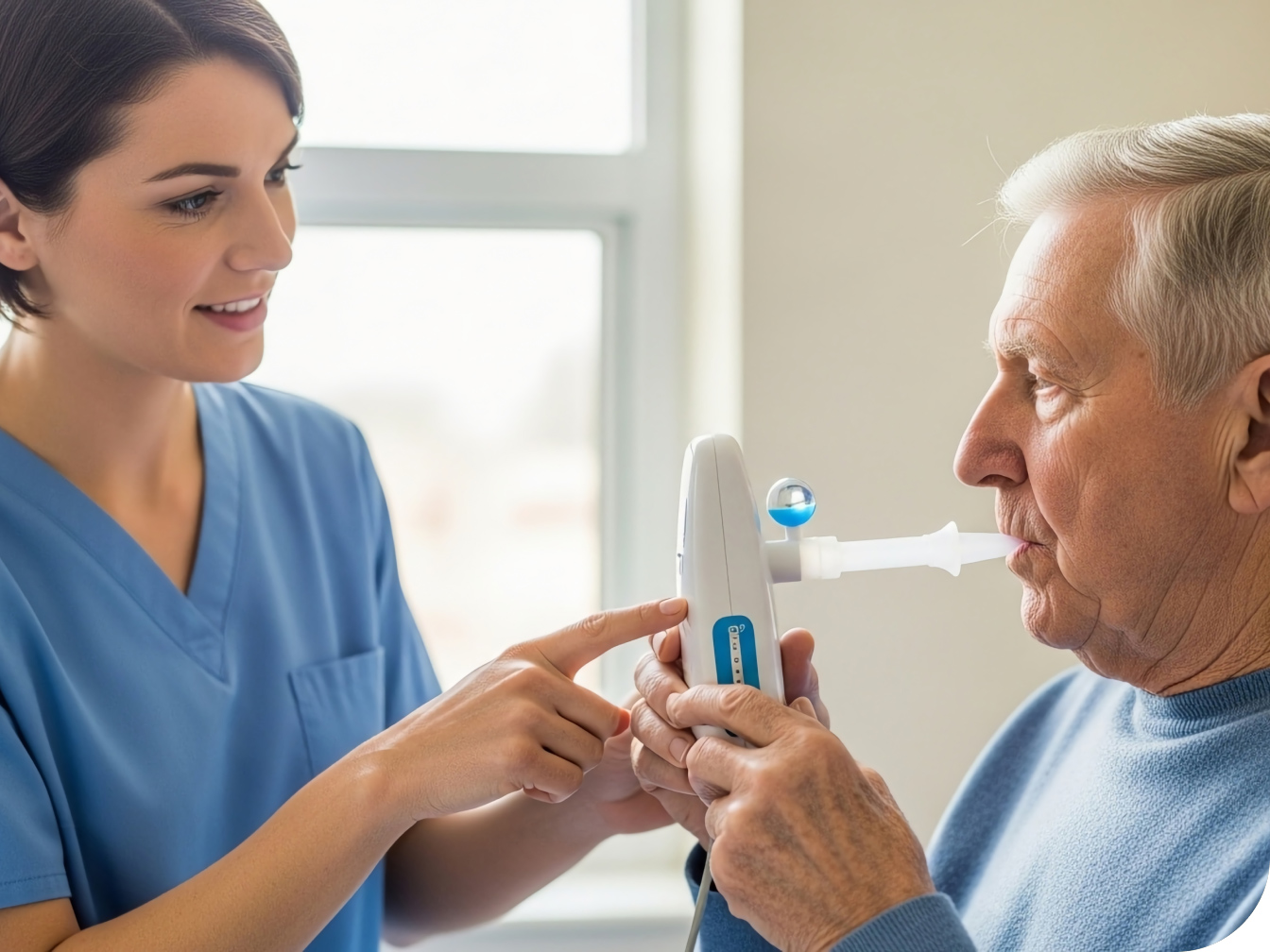
Breathing (Lung Function) Tests
Lung function tests are very important in making an initial diagnosis of asthma, determining its severity, and allowing us to determine which medication and dose needed to get the asthma under the best control possible. Spirometry, the most common lung function test, can measure many different things about the way you breathe including:
- How much air you can exhale,
- How much air you can breathe in and out in 1 minute
- The amount of air left in your lungs after a normal exhale
It can also measure airway obstruction and response to treatment with a bronchodilator or a Methacholine challenge test. Children as young as 5 can perform a reliable spirometry with the coaching from our staff.
Advanced asthma treatment at St. Luke’s
At St. Luke’s, our asthma specialists take a comprehensive approach to diagnosis and treatment, using advanced tools and evidence-based therapies to help patients better understand their condition and control their symptoms. After this initial evaluation and review of all test results, an individual care plan will be made for your diagnosis. This may include additional testing, pharmacotherapy, allergy immunotherapy, and an oral food or medication challenge.
There is no cure for asthma, but symptoms can be managed with daily controller medications (such as inhaled corticosteroids or leukotriene blockers) and rescue medications (such as albuterol or levalbuterol). Through tailored treatment plans, education, and regular monitoring, we work closely with patients to reduce flare-ups, improve lung function, and help them breathe easier and live more active, comfortable lives. It is important that asthmatics try to avoid situations that may trigger attacks.
