How to Sleep Smarter - Expert Tips & Best Sleep Tech
From brain health and mood to energy, memory and overall well-being, sleep plays a critical role in how we function every day. Yet with sleep trackers, supplements, wearable devices and trending sleep hacks flooding social media, it can be difficult to know what actually works.
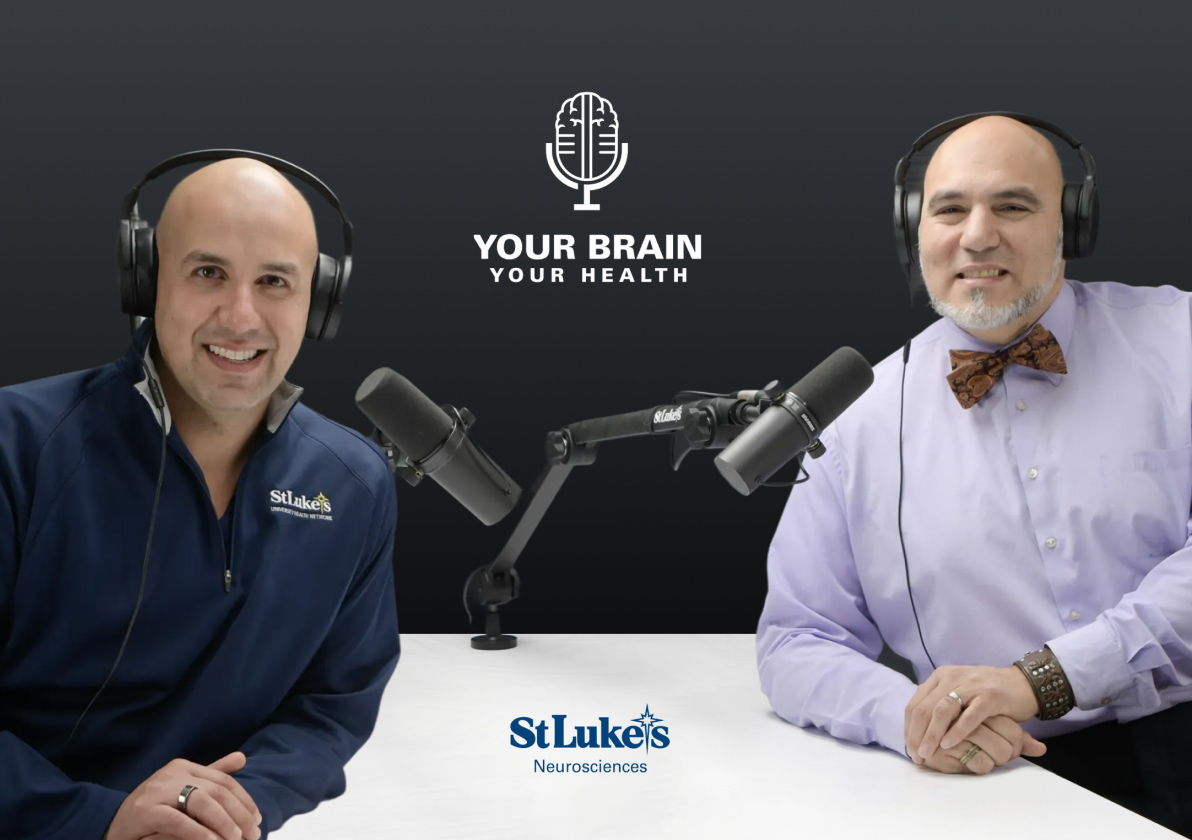
In this episode of "Your Brain, Your Health", hosts Dr. Eric Eustice and Dr. Daniel Ackerman welcome St. Luke's sleep medicine specialist Dr. Matthew Zheng for a conversation about the science of sleep and how to separate evidence-based strategies from the latest sleep trends.
In this episode, you'll learn:
- How the stages of sleep and your body's internal clock work together each night
- Why sleep consistency and duration are both important for physical and brain health
- What healthy sleep actually looks like and how to know if you're truly rested
- What consumer sleep trackers can and cannot tell you about your sleep
- Whether popular sleep tools such as weighted blankets, sound machines and light-based devices are backed by evidence
- Which sleep supplements and technologies may be helpful and which deserve caution
- Common signs that poor sleep may indicate an underlying medical condition
- When to seek professional help and what to expect during a sleep medicine evaluation
- Simple, practical steps you can take tonight to improve your sleep quality
Whether you're struggling with restless nights, curious about the latest sleep technology or simply looking for ways to improve your overall health, this episode offers expert guidance to help you make smarter decisions about your sleep.