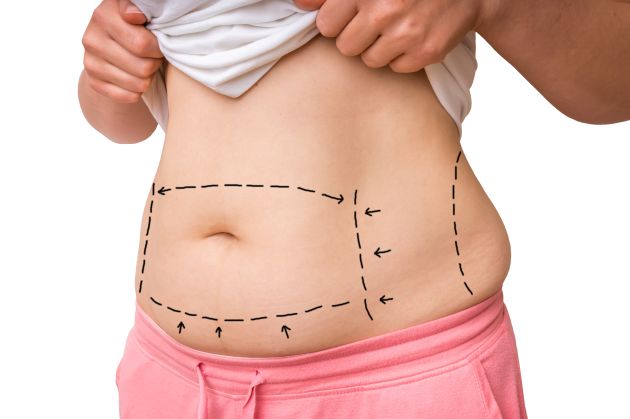
The clearest answer to a tummy tuck vs. liposuction is this: liposuction removes localized fat, while a tummy tuck removes excess abdominal skin, some fat and can address weakened or separated abdominal tissues. Neither is a weight-loss treatment, and neither is automatically the right answer simply because a body has changed. “Sometimes they are used together to achieve the best aesthetic outcome in which people have lower abdominal skin, laxity and stubborn areas of excess subcutaneous tissue. Patients don’t always fall into a ‘tummy tuck only’ group or a ‘liposuction only’ group” explains Dr. John Trangucci, MD.
For many people, the decision becomes real in an everyday recovery-planning moment: considering who could help with meals, driving, work or lifting a child after surgery. Pregnancy, weight change, aging and prior abdominal surgery can all change the way an abdomen looks and feels. Wanting information about body contouring is not vanity, and it does not require you to feel unhappy with your body. It is an opportunity to understand your options, limits and priorities without pressure.
What does liposuction address and not address?
Liposuction is a surgical body-contouring procedure that uses a thin tube and suction to remove fat from selected areas. The abdomen, hips, thighs, back, arms, chin and neck can be among the areas considered. Liposuction may be considered when a person has a relatively stable weight, good overall health and a distinct area of fat that has not changed as hoped for with nutrition and activity.
Liposuction is not a treatment for obesity or a substitute for ongoing weight-management care. It does not tighten significantly loose or sagging skin, repair separated abdominal muscles, remove cellulite or reliably erase stretch marks. If skin elasticity is limited, removing fat alone may leave laxity more apparent and also cannot prevent future weight changes.
What does a tummy tuck address and not address?
A tummy tuck, also called an abdominoplasty, reshapes the abdomen by removing extra skin and repositioning the remaining skin. It can also tighten the connective tissue over the abdominal muscles; this may be relevant when there is abdominal laxity or muscle separation after pregnancy or weight change. A tummy tuck may be part of the conversation when loose abdominal skin is the main concern, when the abdomen bulges because of tissue laxity or separation or when both skin and fat contribute to the contour.
A tummy tuck is not a weight-loss operation, a replacement for exercise or a guarantee of a flat abdomen. It cannot stop aging, future pregnancy or future weight changes from affecting the result. It also cannot reliably remove every stretch mark or correct every concern related to a prior scar. Past surgery, health conditions, medications, tobacco or nicotine use and future plans may affect whether it is advisable or how it is planned.
Questions to help you make an informed choice
Bring your goals, not just a procedure name, to a consultation. Useful questions include:
- Is my concern mainly fat, loose skin, abdominal tissue laxity, or more than one of these?
- What would this procedure be unlikely to change in my case?
- What incision, scar, garments, drains, and at-home support might be involved?
- How do my medical conditions, medications, nicotine use, prior surgery, future pregnancy plans, or weight-change plans affect safety and timing?
- What are the important risks, alternatives, and signs that should prompt me to call?
Ready to talk through your body contouring options?
A thoughtful consultation should make room for your questions, your health and your life, not just a photograph or a trend. Schedule a discussion with St. Luke’s plastic surgery and reconstructive surgery team to review whether liposuction, tummy tuck surgery, another approach or no surgery best fits your goals and safety needs.