skip to main menu skip to content skip to footer
If you have an emergency, call 9-1-1 or go to the nearest emergency room.

NEWS & STORIES AT ST. LUKE'S

How to Prevent Common Pickleball Injuries

calendar_today May 20, 2026

schedule 5 min. read

verified Medically verified by Tyler J. Smith, DO

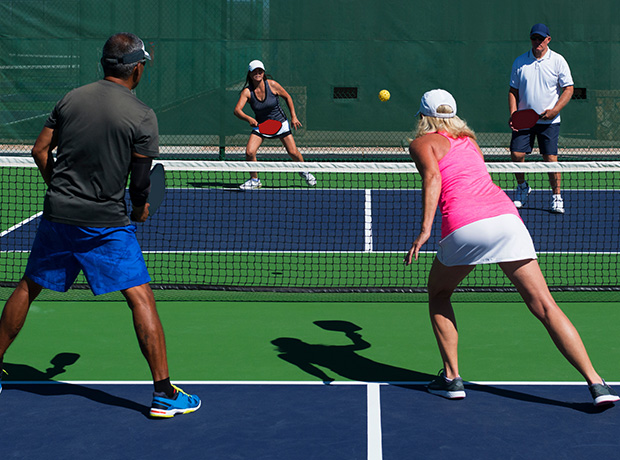
Athletes Playing Pickleball

Pickleball has taken the Lehigh Valley by storm, offering a fun, accessible way to stay active. However, as the sport’s popularity skyrockets, so has the number of related orthopedic injuries. At St. Luke’s Orthopedic Care, we want to ensure you enjoy your time on the court while keeping your joints and muscles healthy. Whether you are a seasoned competitor or just picking up a paddle, understanding common injuries and how to prevent them is essential.

“Pickleball is one of the fastest growing sports in the country because it is fun, social, and accessible to players of all ages. But many injuries occur when people underestimate the physical demands of the game.  Quick lateral movement, sudden changes in direction, and repetitive overhead motion place significant stress on the joints, tendons, and muscles -particularly in athletes who may not be conditioned appropriately. The good news is that many of these injuries are preventable with proper warmups, appropriate footwear, strength and balance training, and gradually increasing playing time rather than jumping into hours of competition at once.  Regardless of your age, listen to your body when it tells you it needs a break.”Dr. Tyler Smith, DO.

Understanding common overuse injuries

The repetitive motions in pickleball can lead to various overuse injuries, particularly in the upper body. One frequent condition we treat is “pickleball elbow”, which is essentially the same as tennis elbow. This occurs when the tendons on the outside of the elbow become inflamed due to the repetitive strain of swinging the paddle. Players may also experience shoulder pain, often related to the rotator cuff, from frequent overhead motions and reaching.

These overuse injuries develop gradually rather than from a single traumatic event. If you notice a persistent ache in your elbow, shoulder, or wrist that worsens after playing, it is your body’s way of signaling that you need a break. Ignoring these early warning signs can lead to severe inflammation and a longer recovery period.

Acute injuries on the court

In addition to overuse conditions, the quick, lateral movements and sudden stops required in pickleball can result in acute lower-body injuries. Ankle sprains are incredibly common when players lunge for a shot or abruptly change direction. We also frequently see calf strains, Achilles tendon injuries, and knee ligament issues such as meniscus tears.

An acute injury is usually marked by a sudden, specific moment of pain---you might feel a pop, experience immediate swelling, or find yourself unable to bear weight on the affected leg. If you sustain an injury causing significant pain, swelling, or difficulty walking, it is crucial to seek medical evaluation promptly to rule out fractures or ligament and cartilage injuries.

Proactive prevention strategies

The best way to treat a pickleball injury is to prevent it. Incorporating a few simple habits into your routine can significantly reduce your risk. First, always take the time to warm up before stepping onto the court. Dynamic stretching, such as light jogging, arm circles, and leg swings, helps prepare your muscles and joints for the demands of the game.

Equally important is wearing the right footwear. Running shoes are designed for forward motion and lack the lateral support needed for court sports. Investing in proper court shoes can drastically decrease your chances of rolling an ankle. Additionally, focusing on your technique and considering a few lessons with a professional can help ensure you are not putting unnecessary strain on your joints. Lastly, gradual progressions in intensity and duration are safer than marathon weekend tournaments, especially for new players.

When to seek expert care

Many minor aches and pains will improve with conservative management, including rest, ice, and over-the-counter anti-inflammatory medication. However, if your pain persists despite these measures, or if you experience an acute injury with severe swelling and instability, it is time to consult a specialist. Our team of sports medicine physicians and orthopedic surgeons are dedicated to accurately diagnosing your condition and developing a personalized treatment plan to get you back on the court safely. Schedule an appointment with Orthopedic Care by calling 484-526-1735 or fill out our contact form today.