More than six million people are diagnosed with skin cancer each year in the United States. While melanoma skin cancer makes up less than five percent of all skin cancers, it is the deadliest form. Melanoma is a type of cancer that can spread through the lymph or blood systems to other parts of the body. Early detection and expert care are important for achieving the best possible outcomes.
Understanding melanoma and its symptoms
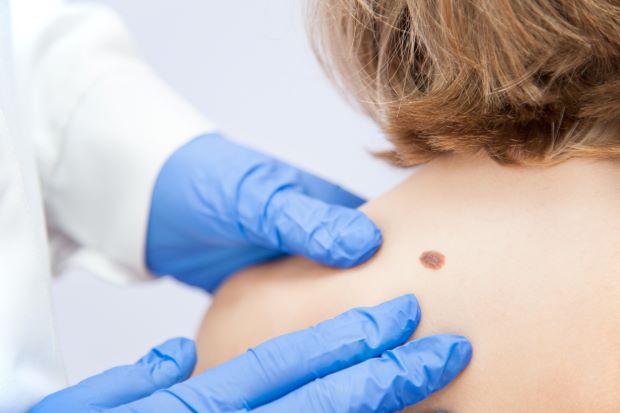
Melanoma cancer, also called malignant melanoma, often begins in the skin and may appear as a changing mole or unusual spot. Common melanoma signs can include changes in size, shape, or color of a mole. Some people are diagnosed with superficial melanoma, which is often found at an early stage during a skin examination.
Expert melanoma treatment at St. Luke’s
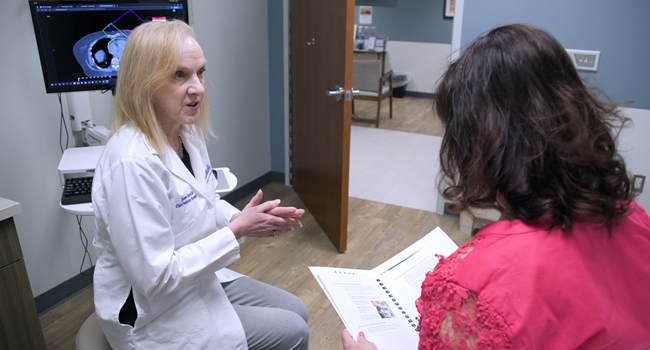
The Melanoma Program at St. Luke’s is a national center of excellence that provides comprehensive care for patients with all stages of melanoma. Care is provided primarily at the state-of-the-art cancer center at the St. Luke’s Anderson Campus in Easton as well as many of our locations in Pennsylvania and New Jersey.
"A melanoma diagnosis can feel overwhelming, but you never walk that road alone. At St. Luke’s, we bring world-class precision and a dedicated multidisciplinary team under one roof - so your care is seamless, personal, and relentlessly focused on delivering the best outcomes." – Dr. Sajjad Bhatti, MD
Our team includes board-certified and fellowship-trained medical, surgical, and radiation oncologists, along with dermatologists, pathologists, and radiologists. The program offers a personalized approach based on each patient's stage of disease and clinical condition.
Advanced melanoma testing and research
Patients searching for melanoma testing can benefit from the advanced services available through St. Luke’s Cancer Center.
Services include:
- Immunotherapy treatments that help the body's immune system fight cancer
- Targeted therapy pills which target specific gene mutation present in melanoma cancer cells.
- Sentinel Lymph Node Biopsy (SLNB), which improves the accuracy of determining whether melanoma has spread
- Advanced radiation therapy for recurrent or metastatic melanoma
- Access to promising clinical trials involving immunotherapy agents, targeted therapies, and other innovative treatments
Comprehensive support for patients and families
St. Luke’s provides coordinated care that includes oncology consultations, immunotherapy treatment, surgery services, follow-up care, social services and counseling, nutritional counseling, symptom management, home health care, patient and family education, and access to other necessary services.
Schedule an Appointment with St. Luke's Cancer Center
If you or a loved one has been diagnosed with melanoma or is concerned about possible melanoma symptoms, the experts at St. Luke’s Cancer Center are here to help.
To schedule a new patient appointment, call 484-503-HOPE (4673).