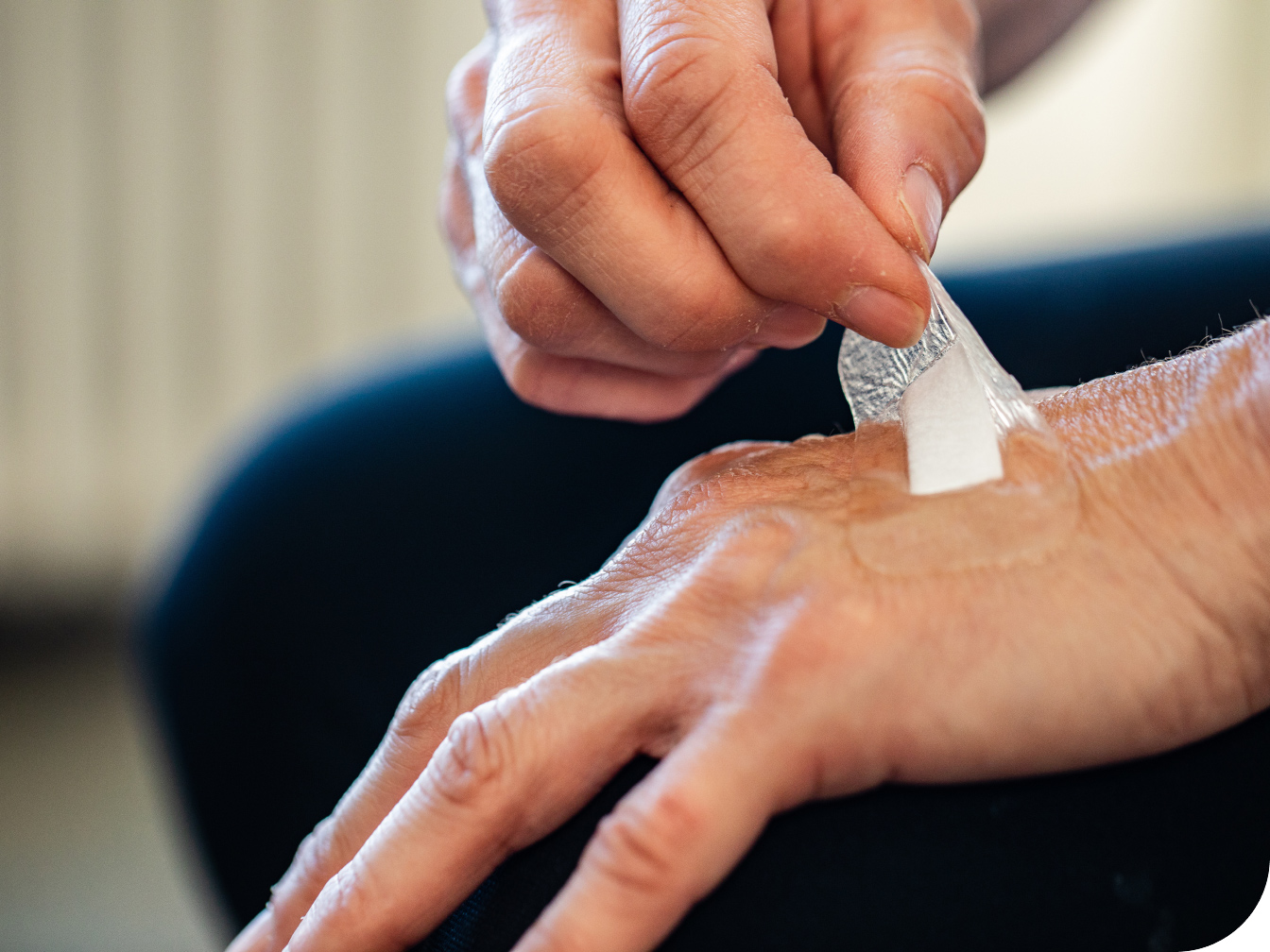
Removing skin cancer layer-by-layer until you are cancer free!
When facing a skin cancer diagnosis, you want the most effective treatment available that also preserves your healthy skin. At St. Luke's Dermatology, our specially trained surgeons perform Mohs micrographic surgery—the gold standard for treating the two most common types of skin cancer: basal cell carcinoma and squamous cell carcinoma. Developed by Dr. Frederick Mohs in the 1930s, this precise technique offers the highest cure rate of any skin cancer treatment (cure rates of 98% or higher) while minimizing scarring.
What is Mohs Micrographic surgery?
Mohs micrographic surgery is an advanced, highly precise outpatient procedure. Unlike traditional excision surgery where a large margin of healthy skin is removed 'just in case,' Mohs surgery removes the visible tumor and then meticulously removes very thin layers of surrounding tissue one at a time.
Each layer is immediately examined under a microscope in our on-site lab and does not require you to wait days for lab results to come back as seen with traditional excisional surgery. If cancer cells are seen at the edges, your Mohs micrographic surgeon knows exactly where they are and removes another thin layer only from that specific area. This process continues until no cancer cells remain.
The entire process may take several hours from start to finish, however, it is worth the high cure rate and cosmetic outcome. After a long day, you will walk out of the office knowing you are cancer free and your skin cancer will have been completely removed and verified microscopically. This result is due to the culmination of the unique procedure -- Mohs Micrographic surgery.
Conditions treated with Mohs surgery
Mohs surgery is primarily used to treat the most common forms of skin cancer, particularly when they are located in highly visible or functionally important areas like the face, nose, ears, lips, neck, hands, or feet.
- Basal Cell Carcinoma (BCC): The most common type of skin cancer. While BCC rarely spreads to other parts of the body, it can grow deep and cause significant damage to surrounding tissue if not removed completely.
- Squamous Cell Carcinoma (SCC): The second most common skin cancer. SCC can be more aggressive than BCC and has a higher risk of spreading if left untreated.
Mohs Micrographic surgery is also particularly suited for treating rare or aggressive skin cancers, especially those that are large, fast-growing, have ill-defined borders, or have returned despite previous treatments. Patients who have compromised immune systems (such as organ transplant recipients) or genetic conditions that put them at risk for multiple skin cancers are also eligible for Mohs Micrographic surgery.
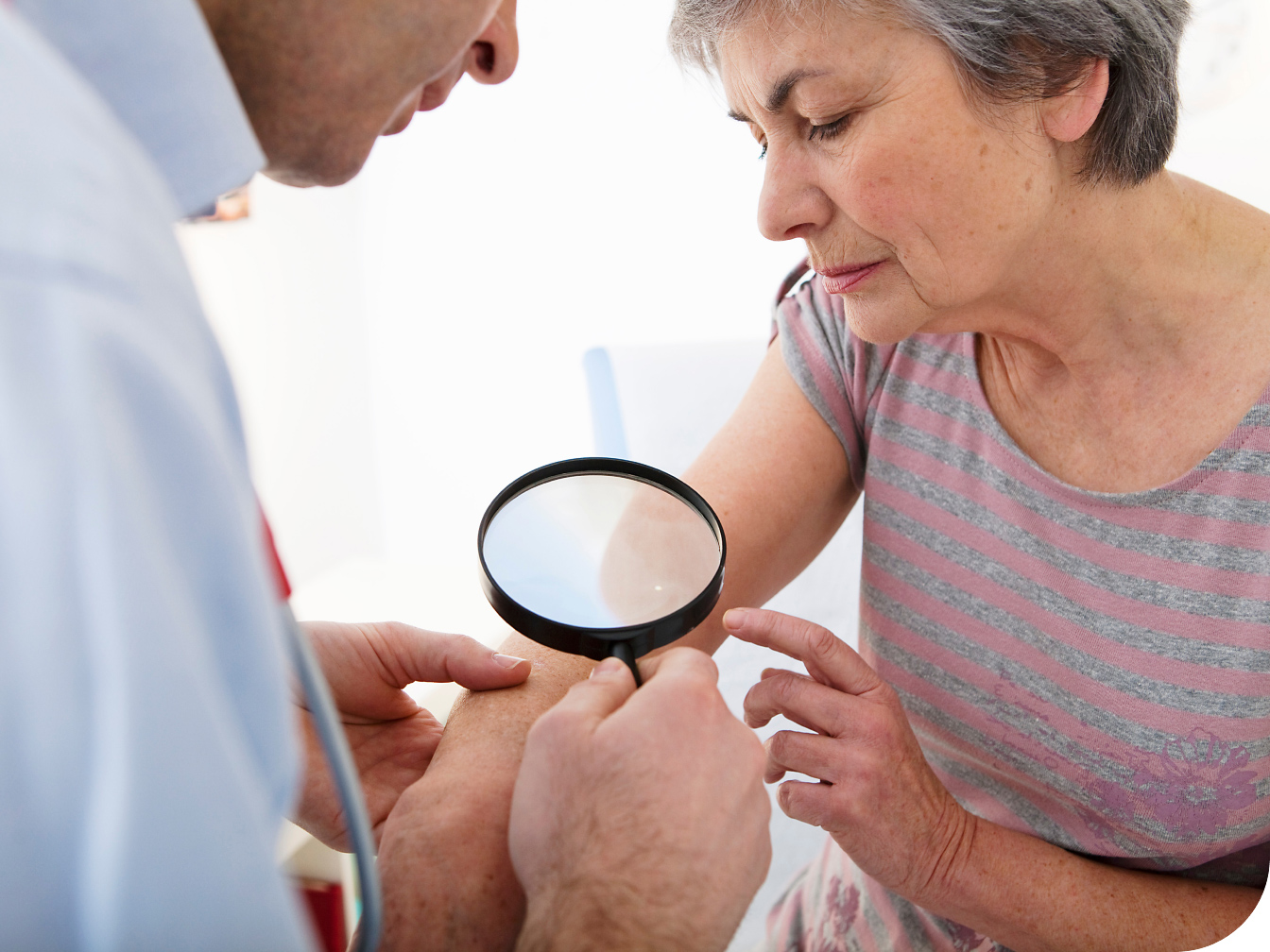
WATCH VIDEO
What to expect during your procedure
Mohs surgery is performed within our Dermatology Mohs Micrographic Surgery locations using local anesthesia and your tissue analysis is done on-site in one day. We recommend clearing your schedule for the day since this procedure can take several hours. Watch this video about what to expect at your skin cancer removal appointment.
Mohs surgery recovery
Recovery is generally straightforward. You may experience mild soreness, which can usually be managed with over-the-counter pain relievers. You will leave with a bandage and detailed instructions on how to care for the wound. Most patients can return to normal activities within a few days, though strenuous exercise should be avoided until your surgeon clears you.