 Quality Awards



A federal grant from the Health Resources & Services Administration (HRSA) for Primary Care Training and Enhancement -- Residency Training in Street Medicine (PCTE-RTSM) Program will help St. Luke’s University Health Network expand care for the medically underserved populations of rural Carbon and Schuylkill counties.
St. Luke’s University Health Network is proud to introduce the Street Medicine Academic Track within the Rural Family Medicine - Carbon Campus Residency Program. This track is designed to prepare future physicians to deliver compassionate, high-quality care to individuals experiencing homelessness and housing insecurity in rural Carbon and Schuylkill Counties. Aligned with our mission, the Street Medicine Track deepens our commitment to rural health by equipping residents to meet the complex needs of underserved communities with skill, compassion, and purpose.
As part of this track, residents will:
Disclaimer:
This program is supported by the Health Resources and Services Administration (HRSA) of the U.S. Department of Health and Human Services (HHS) as part of a financial assistance award totaling $1,946,253 with 100 percent funded by HRSA/HHS. The contents are those of the author(s) and do not necessarily represent the official views of, nor an endorsement, by HRSA/HHS, or the U.S. Government. For more information, please visit https://www.hrsa.gov.
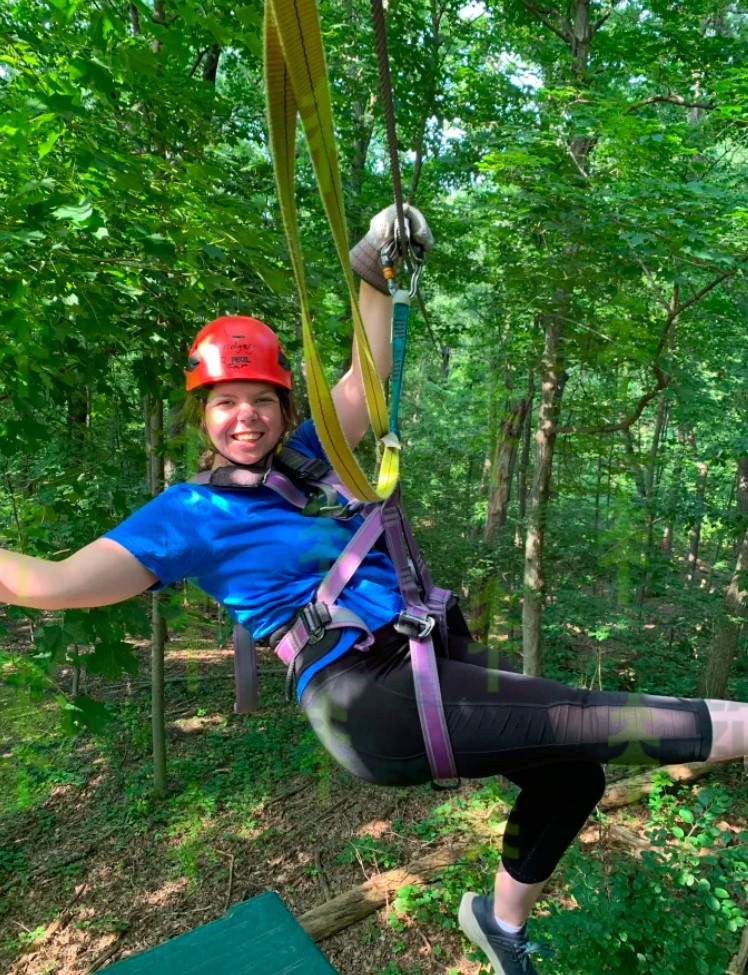
The wilderness medicine track is a longitudinal education track within the residency program. The track is designed to help residents develop the skills and knowledge to safety navigate and practice medicine in the backcountry and austere environments. The track provides education credits and experiences, which can be used to pursue the Fellow in the Academy of Wilderness Medicine (FAWM). This is an excellent complement to the rural residency. It is open to any resident, and an excellent path for those planning to work internationally, in austere environments or serve in leadership positions for special operations groups, prehospital of search and rescue.
For more information, please contact the Wilderness Track Director
The Obesity Medicine Track (OMeT) allows interested residents to gain additional training in the management of unhealthy weight so that they would manage overweight and obesity as chronic illnesses when they step into independent practice. The OMeT can be conceptualized as becoming an “area of concentration” within the Rural Family Medicine Residency. By completing the Obesity Medicine Track, the involved residents would be excellent candidates for an Obesity Medicine Fellowship and/or meet the criteria to sit for the American Board of Obesity Medicine (ABOM) Certification Examination typically held in the Fall following graduation.
For more information, please contact Gregory Dobash, MD
The Lifestyle Medicine curriculum is designed to improve understanding of how to integrate evidence-based lifestyle health interventions into practice among a rural physician workforce and to motivate and prepare residents to achieve certification in Lifestyle Medicine from the American College of Lifestyle Medicine.
For more information, please contact Ileana Perez-Figueroa, MD
The Addiction Medicine Track (AMT) allows interested residents to gain additional training in the management of the disease of addiction and its complications (heart disease, hepatitis C, HIV, endocarditis, cirrhosis, etc.). The AMT can be conceptualized as “an area of concentration” within the Rural Family Medicine Residency. Although not a requirement for graduation, the resident completing the Addiction Medicine Track would be an excellent candidate for an Addiction Medicine Fellowship.
For more information, please contact Gregory Dobash, MD